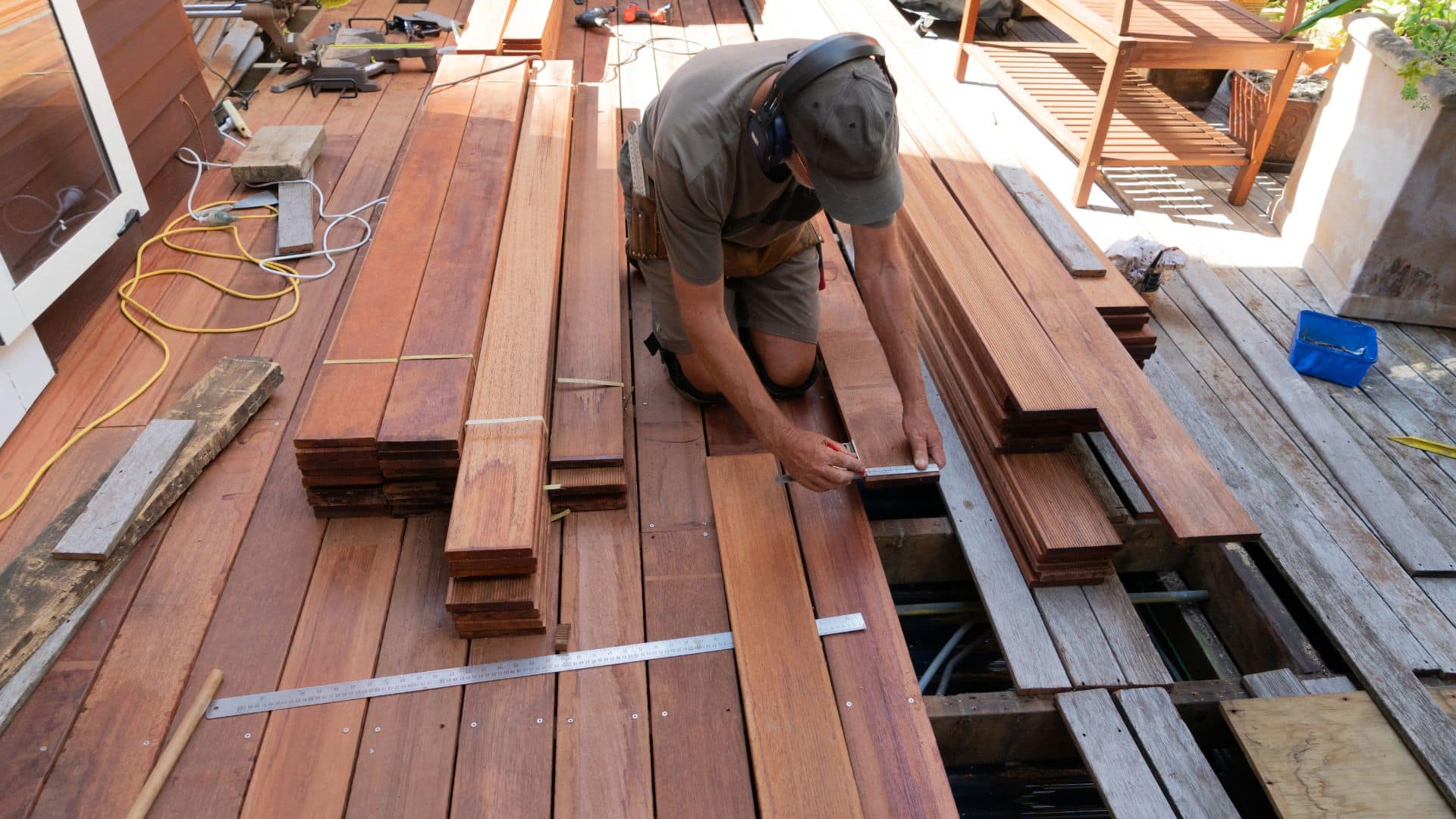
Ready to elevate your outdoor living? Plan your custom deck today with Stewart Remodeling. Tailored designs for Colorado Springs homes.
Continue reading
(719) 266-0336
(719) 266-0336
Ready to elevate your outdoor living? Plan your custom deck today with Stewart Remodeling. Tailored designs for Colorado Springs homes.
Continue reading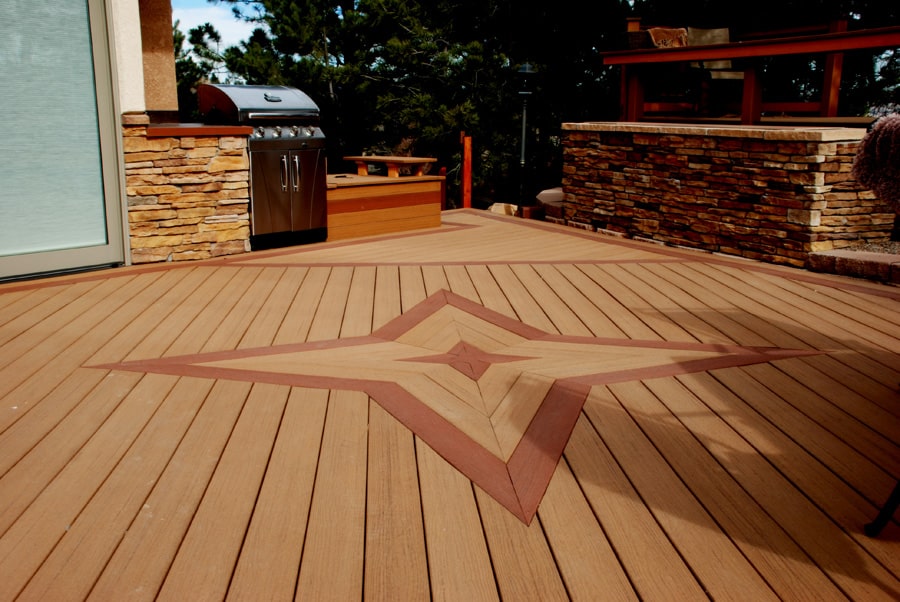
To maintain your composite decking, start by sweeping to remove loose dirt and debris. Use a soft-bristle brush and mild soap with warm water for routine cleaning, focusing on high-traffic and stain-prone areas. For stubborn stains, apply a composite decking cleaner and consider a pressure washer for deep cleaning. Mold and mildew require a specialized cleaner and thorough rinsing. Inspect your deck seasonally, guaranteeing proper drainage and airflow to prevent fungal growth. Repair minor damage using a heat gun or epoxy-based filler. Following these detailed steps guarantees your deck looks great and lasts longer. There’s much more to explore on enhancing decking longevity.
When considering the benefits of composite decking, you’ll find that its durability and low-maintenance requirements set it apart from traditional wood options. Composite decking is engineered to resist fading, staining, scratching, and mold, making it ideal for high-traffic areas and harsh weather conditions. Unlike wood, it doesn’t require periodic sanding, staining, or sealing.
For long-term care, follow these tips:
First, implement regular cleaning tips such as sweeping the deck to remove debris and washing it with a mild soap solution and water. This helps guarantee buildup prevention that can lead to surface damage. Addressing common issues like stains or mold is straightforward; use a soft-bristle brush and a composite-safe cleaner to scrub affected areas.
Seasonal maintenance ensures your deck remains in top condition.
In the spring, inspect for any winter damage and clean thoroughly to prepare for summer use. In the fall, clear away leaves and other organic matter that might cause staining or mold growth. This proactive approach helps in maintaining the aesthetic and structural integrity of your composite decking, making sure you enjoy its benefits for years to come.
To effectively clean and maintain your composite decking, you’ll need a set of essential tools that guarantee thorough and efficient care. These tools will help you manage stains, mold, and ensure long-term care of your decking.
First, invest in a high-quality, soft-bristle brush. This tool is vital for scrubbing away surface debris without damaging the composite material. Opt for one with a long handle to make the job easier on your back.
Next, a composite decking cleaner is indispensable. Formulated specifically for composite materials, these cleaners effectively break down stains and mold, ensuring your deck’s longevity. Make sure to follow the manufacturer’s instructions for best results.
Lastly, consider a pressure washer. While it should be used with caution to avoid damaging the decking, a pressure washer can be highly effective for deep cleaning. Set it to a low pressure—below 1500 psi—and keep the nozzle at least 12 inches away from the surface.
With your essential cleaning tools in hand, start by thoroughly sweeping the deck to remove loose dirt and debris. Use a stiff-bristle broom for this task to make sure you capture all the particles nestled in between the composite boards. Sweeping is fundamental in your regular cleaning routine as it helps prevent the buildup of grime that can cause stains over time.
Next, prepare a solution of mild soap and warm water. Using a soft-bristle brush, scrub the surface in the direction of the grain to lift and remove any embedded dirt. Pay particular attention to areas prone to stains, such as spots under planters or grills. Consistent scrubbing will help maintain the deck’s appearance and prevent discoloration.
For seasonal maintenance, consider using a specialized composite deck cleaner, especially after harsh weather conditions. This ensures that any stubborn residues are effectively eradicated. Rinse the deck thoroughly with a garden hose to remove all cleaning agents.
Incorporate these long-term care tips: avoid using harsh chemicals or pressure washers, and always address spills immediately. Regular cleaning not only enhances the deck’s aesthetic appeal but also extends its lifespan, making certain you enjoy a pristine outdoor space year-round.
Begin by selecting a high-quality, non-abrasive cleaning pad designed specifically for composite decking to gently lift surface dirt without causing damage. Regular cleaning tips suggest that you should use this pad in conjunction with a mild soap and water solution. Apply the solution to the decking, and scrub in the direction of the grain to effectively remove dirt particles lodged in the texture.
For best results, consider using the following tools:
When addressing common issues like stubborn dirt or residue, avoid using harsh chemicals or abrasive tools, as these can damage the composite material. Instead, focus on gentle, yet effective, scrubbing techniques.
Consistent maintenance, such as sweeping away debris and promptly cleaning spills, plays an important role in the long-term care of your decking. These practices not only enhance the appearance but also extend the lifespan of your composite decking, ensuring it remains a beautiful and functional outdoor space for years to come.
Effectively tackling mold and mildew on composite decking requires using a specialized cleaner formulated to break down fungal growth without harming the material. Start by gathering the necessary tools: a soft-bristle brush, a garden hose with a spray nozzle, and a high-quality composite deck cleaner specifically designed for mold and mildew removal.
Begin by thoroughly rinsing the deck with water to remove loose debris. Then, apply the cleaner evenly across the affected areas. Let it sit for the recommended time as per the product instructions to make sure it penetrates and breaks down the mold and mildew spores. Use the soft-bristle brush to scrub the surface gently, paying extra attention to crevices and grooves where mold tends to thrive.
For regular cleaning tips, it’s important to rinse your deck periodically, especially after wet weather, to prevent mold and mildew buildup. Addressing common issues early, like moisture accumulation, can greatly reduce the chances of fungal growth.
Incorporate long-term care tips, such as ensuring proper drainage and airflow around the deck, to maintain a mold-free environment. By following these steps, you can effectively manage and prevent mold and mildew, making sure your composite decking remains pristine and safe.
Tackling stubborn stains on composite decking demands a strategic approach using the right cleaning agents and tools to guarantee the deck’s integrity remains intact. First, identify the type of stain you’re dealing with. Organic stains like food and drink require different treatments compared to oil or grease marks.
For best results, follow these regular cleaning tips and long-term care strategies.
Utilize a specialized composite deck cleaner for persistent stains. Apply the cleaner directly to the stain and let it sit for the recommended time. Use a soft-bristle brush to scrub the surface gently. Avoid metal brushes as they can damage the decking material.
For especially stubborn stains, consider these tools and methods:
After cleaning, rinse the area thoroughly with water.
Regular cleaning tips include sweeping the deck frequently to prevent dirt accumulation and promptly addressing common issues like spills to avoid long-term damage. Effective stain management will enhance your deck’s longevity and appearance.
Ensuring your composite decking remains in prime condition involves not only effective stain removal but also proactive measures to prevent common issues. Regular cleaning tips are critical; sweep your deck weekly to remove debris that can cause scratches. Use a soft-bristle brush and mild soapy water to wash the surface, ensuring grime and dirt don’t accumulate over time.
Addressing common issues like mold and mildew is paramount. Composite decks are susceptible to these problems, especially in shaded or damp areas. Apply a composite decking cleaner with anti-mold properties bi-monthly for best results. Additionally, monitor for stains from organic materials like leaves and bird droppings. Immediate removal of such stains prevents long-term discoloration.
Incorporate long-term care tips by avoiding the use of harsh chemicals and pressure washers, which can damage the composite material. Instead, opt for gentle cleaning solutions and a garden hose.
Seasonal maintenance is also essential for preventing structural issues. Inspect your deck for signs of wear and tear, such as loose screws or warped boards, and address them promptly. By integrating these practices, you’ll extend the lifespan and appearance of your composite decking.
To maintain your composite decking’s integrity through the seasons, systematically inspect for early signs of wear and promptly address any identified issues. Seasonal maintenance is essential for ensuring your deck’s longevity and functionality.
Begin by preparing for winter, as cold temperatures and moisture can exacerbate common issues like mold and mildew. Clear any debris and leaves that could trap moisture, and use a composite deck cleaner to remove any stains or growth.
Summer upkeep is equally important. Prolonged sun exposure can cause fading and surface heating, which can affect both aesthetics and comfort. Regularly clean the surface to remove dirt and pollen, and consider using a UV-resistant sealant for added protection.
Implement these long-term care tips to keep your deck in top shape:
When it comes to protecting your deck, focus on applying a high-quality sealer that prevents moisture infiltration and UV damage. Select a sealer specifically designed for composite decking. Apply it evenly using a paint roller or sprayer, following the manufacturer’s instructions. This step ensures your deck remains resilient against the elements and retains its aesthetic appeal.
Incorporate regular cleaning tips into your routine to maintain your deck’s condition. Use a soft-bristle brush and a mild detergent to remove dirt and debris. For seasonal maintenance, especially when preparing for winter, make sure you clean the deck thoroughly and remove any furniture or planters. This prevents moisture buildup that can lead to mold and mildew.
Addressing common issues like stains and fading is important. Immediately clean spills to prevent staining. For persistent stains, use a composite deck cleaner. To combat fading, consider a UV-resistant sealer.
Long-term care tips to extend the deck’s lifespan include inspecting for wear and tear regularly and reapplying the sealer as needed. By adhering to these practices, you’ll keep your composite deck in top shape for years to come.
After focusing on protection, it’s equally important to address minor damages that can arise on your composite decking, such as scratches or small cracks. These imperfections, though small, can compromise the aesthetics and longevity of your deck if not promptly dealt with.
To repair minor scratches, you can use a heat gun. Gently apply the heat to the scratched area and use a wire brush to blend the scratch into the surrounding material. Be careful not to overheat, as excessive heat can damage the composite.
For small cracks, start by cleaning the area thoroughly to remove any debris. Use an epoxy-based filler specifically designed for composite materials. Apply the filler into the crack with a putty knife, ensuring it’s level with the deck surface. Allow it to cure as per the manufacturer’s instructions.
Addressing deeper indentations or gouges involves a bit more effort:
Yes, you can paint or stain composite decking, but you need to follow specific steps.
First, clean the deck thoroughly with a composite deck cleaner. Allow it to dry completely.
Sand the deck lightly to make sure the paint or stain adheres properly.
Choose a high-quality, exterior-grade paint or stain designed for composite materials.
Apply it evenly with a brush or roller, and let it dry according to the manufacturer’s instructions.
When comparing the cost of composite decking to traditional wood decking, you’ll find composite decking typically has a higher upfront cost. However, it offers long-term savings due to lower maintenance requirements.
Traditional wood decking demands regular sealing, staining, and repairs, which add up over time. Composite decking, being more durable and resistant to pests and rot, minimizes these ongoing expenses, making it a more cost-effective option in the long run.
Yes, choosing composite decking offers eco-friendly benefits.
You’ll find it’s often made from recycled materials like plastic and wood fibers, reducing waste.
Additionally, its longevity means fewer replacements and less environmental impact over time.
Unlike traditional wood decking, it doesn’t require harmful chemical treatments, reducing the release of pollutants.
Composite decking typically lasts 25-30 years with proper maintenance. You should clean it regularly, remove debris, and inspect for damage. Use a soft brush and mild soap for cleaning. Avoid harsh chemicals that can degrade the material.
Maintain adequate ventilation to prevent moisture buildup. Address any issues promptly to prolong its lifespan. Taking proper care guarantees that your deck remains durable and retains its aesthetic appeal over decades.
Yes, you can use composite decking around pools or wet areas. It’s engineered to be water-resistant, reducing the risk of warping, rotting, or splintering. Be sure to select a brand with non-slip textures to enhance safety.
Regular cleaning with soapy water and a soft brush will maintain its appearance and functionality. Avoid using harsh chemicals or pressure washers, as they can damage the surface and reduce longevity.
By following this guide, you’ll guarantee your composite decking remains pristine and durable. Regularly using the right tools and techniques will prevent common issues like mold, mildew, and surface dirt from taking hold.
Seasonal maintenance and protective measures will extend your deck’s lifespan, keeping it visually appealing and structurally sound. Should minor damages occur, swift repairs will maintain its integrity.
With diligent care, your composite deck will continue to be a valuable and attractive outdoor space.
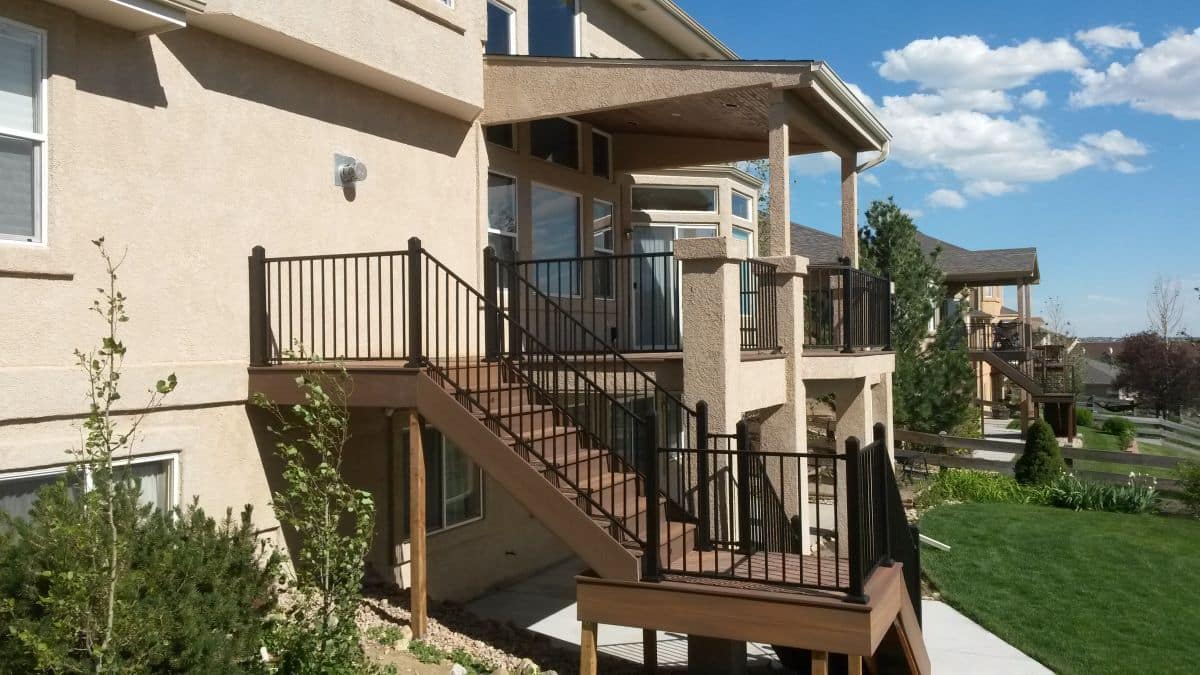
Elevate your outdoor space with modern decking designs that merge sleek aesthetics with sustainability. Opt for minimalist designs using composite decking for clean lines and low maintenance. Sustainable materials like recycled composites and natural stone guarantee longevity and eco-friendliness. Consider multi-functional elements like built-in planters and modular seating for versatility. Integrate smart technology for automated lighting and irrigation. Choose colors that complement your home’s exterior and use solar-powered LED lights for energy efficiency. Enhance biodiversity with vertical gardens and mix materials like wood, metal, and stone for a modern look. Explore further to discover more inspiring ideas.
Minimalist decking emphasizes clean lines, neutral colors, and sustainable materials to create a serene outdoor space that blends seamlessly with its surroundings. When designing a minimalist deck, you should focus on simplicity and functionality. Opt for composite materials, which combine the natural look of wood with the benefits of durability and low maintenance. The sleek appearance of composite decking aligns perfectly with minimalist design styles, allowing you to achieve a modern and uncluttered aesthetic.
Choose a palette of subtle, neutral colors like grays, taupes, and soft browns to enhance the minimalist look. These tones won’t only make your deck feel more spacious but also ensure it complements a variety of outdoor settings. Additionally, consider innovative features such as hidden fasteners and smooth shifts between different sections of the deck. These elements contribute to the clean lines and understated elegance that define minimalist design.
Incorporate wood accents sparingly to add warmth without overpowering the minimalist vibe. By balancing composite and wood materials, you can achieve a harmonious blend of modernity and natural beauty. Prioritize sustainable design practices to guarantee your minimalist decking remains eco-friendly and timeless.
Embracing sustainable materials in your decking design not only aligns with minimalist principles but also guarantees longevity and environmental responsibility. Opt for composite decking as it combines recycled wood fibers and plastic, offering a durable, low-maintenance surface. Composite materials resist warping, splintering, and fading, ensuring your modern deck remains pristine for years.
Natural stone is another excellent sustainable option that brings an earthy elegance to your outdoor space. It’s durable, non-toxic, and has a considerably lower environmental impact compared to synthetic materials. Stones like granite or slate can withstand the harshest weather, providing a timeless aesthetic that blends seamlessly with nature.
Integrating built-in planters into your decking design serves a dual purpose: it enhances the deck’s visual appeal while promoting sustainability. Built-in planters made from sustainable materials can house native plants, reducing water consumption and fostering local biodiversity.
When you choose these sustainable materials, you’re not just following a trend; you’re making a conscious decision to protect the environment. Your modern deck won’t only be stylish but also an eco-friendly haven that reflects your commitment to sustainability.
Transform your deck into a versatile outdoor sanctuary by incorporating multi-functional spaces that cater to relaxation, entertainment, and practical needs. Begin by integrating modern elements that blend seamlessly with your home’s aesthetic.
Built-in planters can serve as both decorative and functional components, enhancing the visual appeal while also providing space for herbs, flowers, or even small vegetable gardens. These planters add a touch of greenery and sustainability to your deck.
Consider innovative features like modular seating that can be reconfigured based on the occasion, whether it’s a casual family gathering or a more formal event. Fire pits are another essential addition. They not only serve as a focal point but also extend the usability of your outdoor space into the cooler months.
Opt for eco-friendly fire pits that use propane or ethanol, offering a cleaner burn than traditional wood. Incorporating storage solutions within your seating areas can keep your deck clutter-free, making it both beautiful and functional.
Multi-functional spaces allow you to maximize every square foot, ensuring that your modern deck isn’t just an outdoor area, but an extension of your living space that’s sustainable, practical, and stylish.
Incorporating smart technology into your decking design can greatly enhance both the functionality and sustainability of your outdoor space. Whether you prefer modern or rustic design styles, smart tech can seamlessly integrate with your aesthetic preferences and needs.
One of the most popular materials for decking is composite, known for its durability and low maintenance. Pairing composite decking with smart technology creates an innovative, long-lasting solution.
Here are three ways to integrate smart tech into your deck:
Examples of trendy deck designs often feature these technologies. For instance, a modern deck might include sleek, automated LED lighting, while a rustic deck could blend naturally with built-in planters and automated irrigation.
Selecting a vibrant color palette for your decking can instantly elevate the visual appeal and create a unique, inviting atmosphere that reflects your personal style while being mindful of environmental impact. Start by considering eco-friendly, non-toxic stains and paints that offer a breadth of color options. Brands now offer water-based stains that are low in volatile organic compounds (VOCs), reducing your carbon footprint while delivering rich, long-lasting hues.
Think about integrating colors that complement your home’s exterior and natural surroundings. Deep ocean blues, forest greens, and bold terracottas can make your decking stand out while blending seamlessly with nature. For a more dynamic look, consider a multi-tone approach, mixing lighter and darker shades to add depth and character.
When selecting materials, opt for sustainably sourced woods like bamboo or recycled composite decking that can be stained in your desired colors. These choices not only provide durability but also promote environmental responsibility.
Innovative lighting can greatly enhance your decking’s ambiance while prioritizing energy efficiency and sustainability. By integrating advanced lighting solutions, you can create a space that’s not only visually appealing but also eco-friendly and cost-effective.
Let’s explore how you can achieve this:
Enhancing your decking’s appeal doesn’t stop at lighting; introducing vertical gardens can add lush greenery and a touch of nature to your outdoor space while optimizing limited area. Vertical gardens are perfect for small decks, providing a lush backdrop without taking up precious floor space.
You can use modular panels, trellises, or pocket planters to create a dynamic, layered look. Opt for hardy, low-maintenance plants like succulents, ferns, or herbs to guarantee sustainability.
When installing a vertical garden, make sure proper irrigation and drainage are in place to maintain plant health. Drip irrigation systems work well for vertical setups, providing consistent moisture without water wastage. Select materials that resist moisture and UV exposure, such as treated wood or metal, to extend the lifespan of your vertical garden structure.
Integrate vertical gardens with existing architectural elements for a cohesive design. Use climbing plants on railings or walls to blur the lines between man-made structures and natural growth. Additionally, vertical gardens can enhance biodiversity and improve air quality, aligning with sustainable living principles.
Blending various materials like wood, stone, and metal in your decking design can create a visually striking, durable, and sustainable outdoor space. By combining these elements, you can achieve a balance of functionality and beauty, ensuring your deck stands out while withstanding the elements.
When you mix materials, think about how they’ll complement each other and your overall design. This approach not only enhances the deck’s durability but also contributes to a more eco-friendly space by using sustainable and recycled materials.
Incorporating natural aesthetics into your decking design emphasizes the harmony between your outdoor space and the surrounding environment. Opt for materials that mimic natural textures and colors, such as wood or stone, to create a seamless shift from your deck to the environment. Sustainable wood options like bamboo or reclaimed wood not only enhance the visual appeal but also promote eco-friendly practices.
You can also integrate planters and vertical gardens directly into the decking structure. This approach not only softens the hardscape but also fosters biodiversity and provides a habitat for local flora and fauna. Selecting native plants will further guarantee that your deck blends effortlessly with its surroundings.
In terms of finishes, consider using natural oils and stains that accentuate the wood grain while offering protection against the elements. These finishes are both aesthetically pleasing and essential, as they often contain fewer harmful chemicals than synthetic alternatives.
Lighting plays an important role too. Use solar-powered fixtures to illuminate pathways and accentuate key features. This not only conserves energy but also enhances the natural ambiance of your outdoor space. By focusing on natural aesthetics, you create a serene, eco-friendly retreat that complements the broader environment.
Moving beyond natural aesthetics, you’ll find that custom shapes and layouts offer endless possibilities to personalize your decking space while maintaining functionality and visual appeal. Custom designs not only enhance the aesthetic appeal of your outdoor area but also allow you to make the most of the available space. With technical expertise and a focus on sustainability, you can create a decking area that’s both beautiful and environmentally friendly.
Here are some key considerations for custom shapes and layouts:
To maintain your deck through different seasons, it is important to clean it regularly and check for debris and mold. Applying a protective sealant annually can guard against weather damage. In winter, removing snow promptly is crucial to prevent moisture buildup. Using eco-friendly cleaning products can help preserve the environment.
For aesthetic appeal, consider staining or painting your deck to match seasonal themes. This will ensure that your deck remains both beautiful and sustainable throughout the year.
When considering the cost implications of modern decking designs, you’ll find a range of factors to weigh. High-quality materials like composite decking can be pricey upfront, but they’re low-maintenance and durable.
Sustainable options like reclaimed wood might save you money and are eco-friendly. Custom designs and intricate layouts, while aesthetically pleasing, can increase labor costs.
Always balance initial expenses with long-term benefits and sustainability.
Yes, you’ll need specific permits for building a deck. Check with your local building authority to guarantee compliance with zoning laws and safety regulations. Acquiring permits guarantees your deck meets structural and environmental standards, contributing to sustainability.
Accurate planning and following guidelines can enhance the deck’s aesthetic appeal and durability, aligning with modern, eco-friendly design principles. Don’t skip this critical step in your deck-building process.
Promote safety on your deck for children and pets by installing secure railings and gates. Choose non-toxic, sustainable materials for the decking surface to avoid harmful chemicals.
Use slip-resistant coatings to prevent falls, and make sure there are no gaps where little ones or pets could get stuck.
Regularly inspect and maintain the deck for any potential hazards. Good design and careful maintenance will create a safe, eco-friendly space.
To clean your deck, use eco-friendly cleaners and a soft-bristle brush to avoid damage. Rinse thoroughly with water.
For sealing, choose a sustainable, low-VOC sealer. Apply it evenly with a brush or roller, ensuring all areas are covered.
Regular maintenance, like annual cleaning and sealing, will enhance your deck’s longevity, aesthetic appeal, and environmental impact.
Always prioritize non-toxic products to protect children, pets, and nature.
You’ve now acquired a thorough understanding of modern decking designs. Embrace minimalist aesthetics and sustainable materials to create a stylish yet eco-friendly space.
Incorporate multi-functional areas and smart technology to enhance functionality and convenience. Don’t shy away from vibrant color palettes and vertical gardens to add life and dimension.
Mix materials for a unique touch and opt for natural elements to maintain harmony with the environment. Custom shapes and layouts will guarantee your deck stands out.
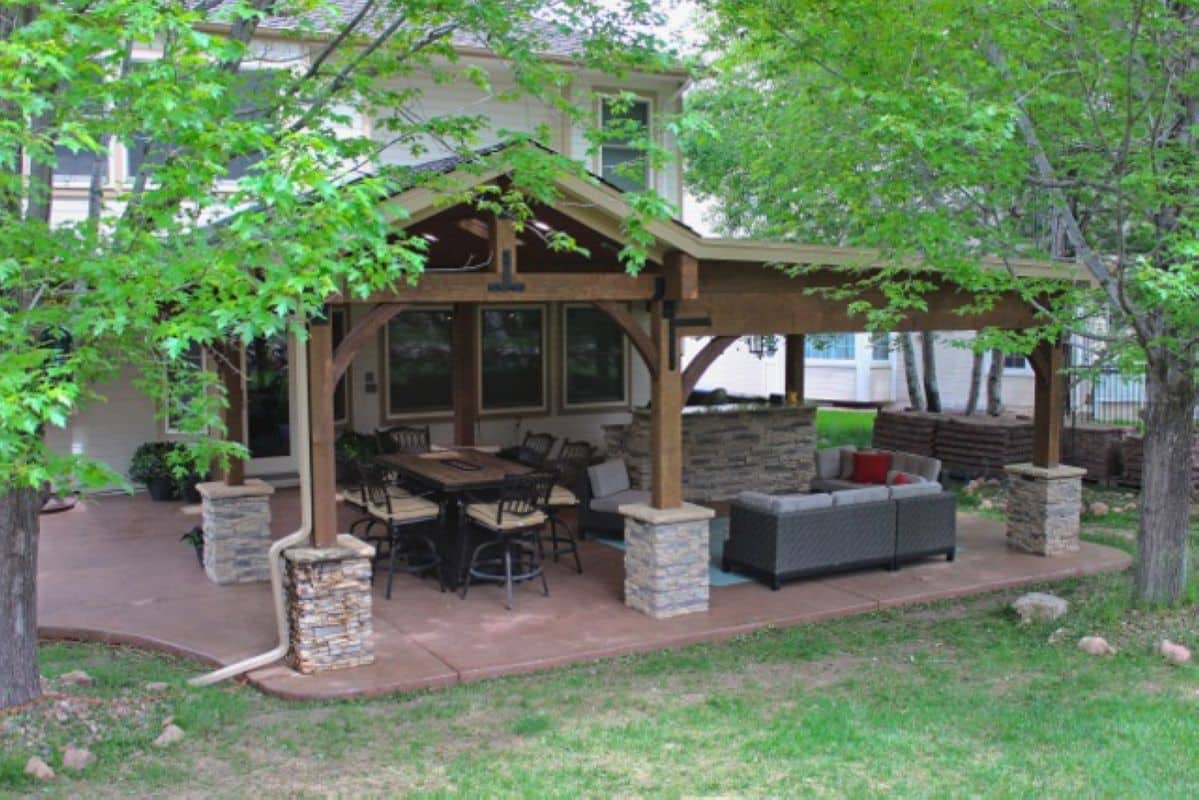
Integrating landscaping with your deck design enhances functionality and aesthetic appeal. Assess your space by evaluating dimensions, slopes, and sunlight patterns. Choose a style that resonates with your home, whether modern, rustic, or tropical. Select plants based on sunlight exposure and maintenance needs, and opt for native flora to support local wildlife. Strategically place potted plants, hanging baskets, and add hardscaping elements like stone pathways for smooth movement. Enhance privacy with vertical gardens or trellises, and incorporate energy-efficient lighting for a cohesive look. Consider seasonal adaptations to guarantee year-round beauty and durability. Explore further to master the intricacies of this design approach.
Begin by evaluating the dimensions, shape, and existing features of your outdoor area to guarantee that your deck design integrates seamlessly with the surroundings. Measure the space accurately and take note of any slopes, existing vegetation, and sunlight patterns. This information is crucial for choosing the right plants that will thrive in your specific conditions.
For instance, areas that receive ample sunlight might benefit from sun-loving plants, while shaded sections could be enhanced with shade-tolerant species. Consider the role of privacy in your design. Strategically placed plants can act as natural screens, providing a sense of seclusion. Tall grasses or shrubs can serve this purpose without compromising aesthetics.
Additionally, think about how the plants will contribute to the overall aesthetics of your deck. Opt for a mix of textures and colors to create visual interest. For a budget-friendly landscaping idea, use native plants—they’re often less expensive and require minimal maintenance. Mulching is another cost-effective method to retain moisture and reduce weeds.
Always keep in mind environmental considerations; selecting drought-tolerant species can minimize water usage. By examining your space meticulously, you’ll ensure that your deck and landscaping form a cohesive, functional, and beautiful outdoor retreat.
Choosing a cohesive style for your deck and landscaping guarantees a harmonious blend that enhances both functionality and visual appeal. Begin by identifying the aesthetic you want—be it modern, rustic, or tropical. This decision will guide your choices in materials, colors, and plant selections.
When choosing the right plants, consider shade and sun exposure. Native species often require less maintenance and integrate seamlessly with the local environment. For shaded areas, opt for ferns or hostas, while sun-drenched spots may benefit from vibrant perennials like coneflowers or lavender.
Creating smooth connections between your deck and garden is important. Incorporate steps and pathways that not only provide practical movement but also unite the different zones. Materials like natural stone or wooden planks can enhance this connection.
Adding water features such as ponds or fountains can elevate your design, providing both a focal point and a soothing ambiance. Make sure these elements align with your chosen style; for instance, a sleek, stainless-steel fountain suits a modern deck, while a natural stone pond complements a rustic setup.
Designing your layout involves strategically placing key elements to maximize both aesthetics and functionality while considering environmental factors.
First, assess your deck’s orientation and sunlight exposure. Consider how the sun moves across your space throughout the day to optimize seating areas and shade.
You’ll want to create zones for dining, relaxing, and entertaining, making sure each area flows seamlessly into the next.
Next, think about traffic patterns. Leave enough space for people to move comfortably between zones. For instance, position pathways to avoid congestion and guarantee accessibility.
Incorporating built-in seating or planters can save space and add to the overall design.
Environmental considerations are essential. Use sustainable materials and design elements that minimize water runoff and erosion.
Elevate planters or integrate rain gardens to manage water efficiently. Additionally, consider wind patterns and how they might affect the comfort of your deck space.
Lighting is another vital element. Strategically place lighting to enhance safety and create ambiance. Solar-powered options are both eco-friendly and functional.
Selecting the right plants for your deck involves balancing aesthetics, maintenance needs, and environmental benefits to create a lush, inviting space.
First, consider the visual appeal. Opt for a mix of colors, textures, and heights to create a dynamic look. For example, combine tall grasses with trailing vines and flowering plants to achieve a layered effect.
Maintenance is key. Choose plants that match your commitment level. If you’re not keen on frequent upkeep, select drought-tolerant species like succulents or native plants that thrive in your climate. These choices not only reduce water usage but also simplify your gardening routine.
Environmental benefits shouldn’t be overlooked. Native plants are excellent for supporting local wildlife, including pollinators like bees and butterflies. Additionally, plants that improve air quality, such as ferns and spider plants, can enhance your outdoor space’s healthiness.
Evaluate the microclimate of your deck. Does it get full sun, partial shade, or is it mostly shaded? Match plant selections to these conditions to guarantee their success. Also, consider using containers with good drainage to prevent waterlogged roots.
Incorporate greenery into your deck design by strategically placing potted plants, hanging baskets, and vertical gardens to maximize space and visual impact. Select versatile planters that can thrive in your specific climate and require minimal maintenance.
Use vertical gardens to save space and create a lush backdrop, enhancing the visual appeal and functionality of your deck. Hanging baskets add dimension and a touch of elegance, especially when filled with cascading plants.
Here are four ways to evoke emotion and elevate your deck with greenery:
Hardscaping elements like stone pathways, retaining walls, and built-in seating can transform your deck into a functional and visually striking outdoor living space. Start by installing stone pathways that guide visitors seamlessly from the deck to other garden areas. Choose materials that complement your deck’s design and are durable enough to withstand various weather conditions.
Retaining walls serve both practical and aesthetic purposes. They can level off sloped areas, creating more usable space while adding texture and depth to your outdoor environment. Use natural stone or concrete blocks that blend well with your existing deck materials.
Incorporate built-in seating to maximize space and provide comfortable areas for relaxation. Benches made from wood or stone can be seamlessly integrated into the retaining walls or deck edges.
When planning your hardscaping, consider environmental factors. Opt for permeable materials to prevent water runoff and promote groundwater recharge. Use locally sourced stones to minimize your carbon footprint. Additionally, make sure to incorporate native plants around your hardscape features to enhance biodiversity and create a cohesive design.
To enhance privacy on your deck, consider installing vertical garden walls or trellises adorned with climbing plants. These solutions not only create a secluded atmosphere but also add a touch of nature and beauty to your outdoor space. Opt for plants like ivy, jasmine, or climbing roses, which aren’t only visually appealing but also provide a natural screen.
Here are some ways to enhance privacy on your deck:
Incorporating these elements not only enhances privacy but also contributes to a more serene and inviting outdoor environment.
Lighting can dramatically transform your deck, providing both functional illumination and enhancing the overall ambiance. Begin by considering LED lights, which are energy-efficient and come in various styles, from recessed deck lights to decorative string lights.
Use path lights to guide guests safely around your deck and garden, ensuring a well-lit and inviting space.
For a modern touch, consider installing solar-powered lights. They’re eco-friendly and reduce your carbon footprint while providing sufficient illumination. Place them strategically to highlight key outdoor features like plants, water elements, or garden art. This not only accentuates your deck’s aesthetic appeal but also integrates the surrounding outdoor environment seamlessly.
Incorporate dimmable lighting options to adapt to different occasions. Bright lights are perfect for evening gatherings, while softer lights create a cozy atmosphere for intimate moments. Don’t forget to use timers and sensors to optimize energy use and convenience.
How do you achieve a harmonious blend of aesthetics and functionality when designing your deck to maintain balance? It’s a delicate dance that requires thoughtful planning and precise execution. Here are four key considerations to guide you:
Consider your deck’s design elements through the lens of seasonal changes to guarantee both aesthetic appeal and functional resilience year-round. Start by selecting materials that can withstand temperature fluctuations and moisture variations. Composite decking, for instance, resists warping and fading, making it ideal for all seasons. For wood decks, opt for pressure-treated lumber or naturally durable woods like cedar or redwood, and apply a water-repellent finish to protect against the elements.
Strategically incorporate landscaping to enhance your deck’s functionality. Plant evergreens for consistent greenery throughout winter, and use deciduous trees to provide shade in summer while allowing sunlight in winter. Choose native plants adapted to local climate conditions, reducing maintenance and water usage.
Lighting is another critical aspect. Install solar-powered or low-voltage lighting to ensure your deck remains usable and safe during shorter winter days. Consider integrating built-in heaters or fire pits for comfort during colder months.
To budget effectively for a deck landscaping project, start by listing all necessary materials and labor costs.
Prioritize sustainable materials and native plants to align with environmental considerations.
Allocate funds for design elements that enhance aesthetics, like lighting and seating.
Don’t forget unexpected expenses by adding a 10-15% contingency.
Research and compare prices to make sure you get the best value without compromising on quality or design.
Consider native plants, which require less water and maintenance, boosting biodiversity.
Opt for permeable materials like gravel or recycled pavers to reduce runoff.
Install rain barrels to collect water for irrigation.
Vertical gardens can save space and provide insulation.
Use solar-powered lighting for energy efficiency.
Yes, you can incorporate water features into your deck design. Utilize small ponds, fountains, or cascading waterfalls to create a serene environment.
Guarantee proper waterproofing and drainage to protect your deck’s structure. Opt for eco-friendly materials and energy-efficient pumps to minimize environmental impact.
Strategically place plants around the water feature to enhance aesthetics and support local wildlife. This combination can transform your deck into a tranquil oasis.
To tackle pests in your deck gardening, start with environmentally friendly solutions. Use natural repellents like neem oil or plant pest-resistant varieties.
Regularly check for signs of infestation and remove affected plants promptly. Incorporate design elements like raised beds or barriers to deter pests.
Maintaining clean, dry areas will also reduce attractants. Combining these strategies guarantees a beautiful, healthy deck gardening without harmful chemicals.
When selecting durable deck furniture, you’ll want to explore materials like teak, aluminum, and high-density polyethylene (HDPE).
Teak offers natural beauty and weather resistance, while aluminum is lightweight and rust-proof. HDPE is environmentally friendly and mimics wood’s look without maintenance.
Each material balances technical durability and design aesthetics, ensuring your furniture withstands outdoor conditions while enhancing your deck’s overall appearance.
Choose based on your style and environmental values.
To seamlessly integrate landscaping with your deck design, assess your space, choose a cohesive style, and meticulously plan your layout.
Select plants that thrive in your environment and add greenery to create a natural extension of your home. Enhance privacy with strategic plantings and utilize lighting to elevate ambiance.
Maintain balance by considering scale and proportion, while also factoring in seasonal changes. By doing so, you’ll create a visually stunning, environmentally sensitive outdoor sanctuary.
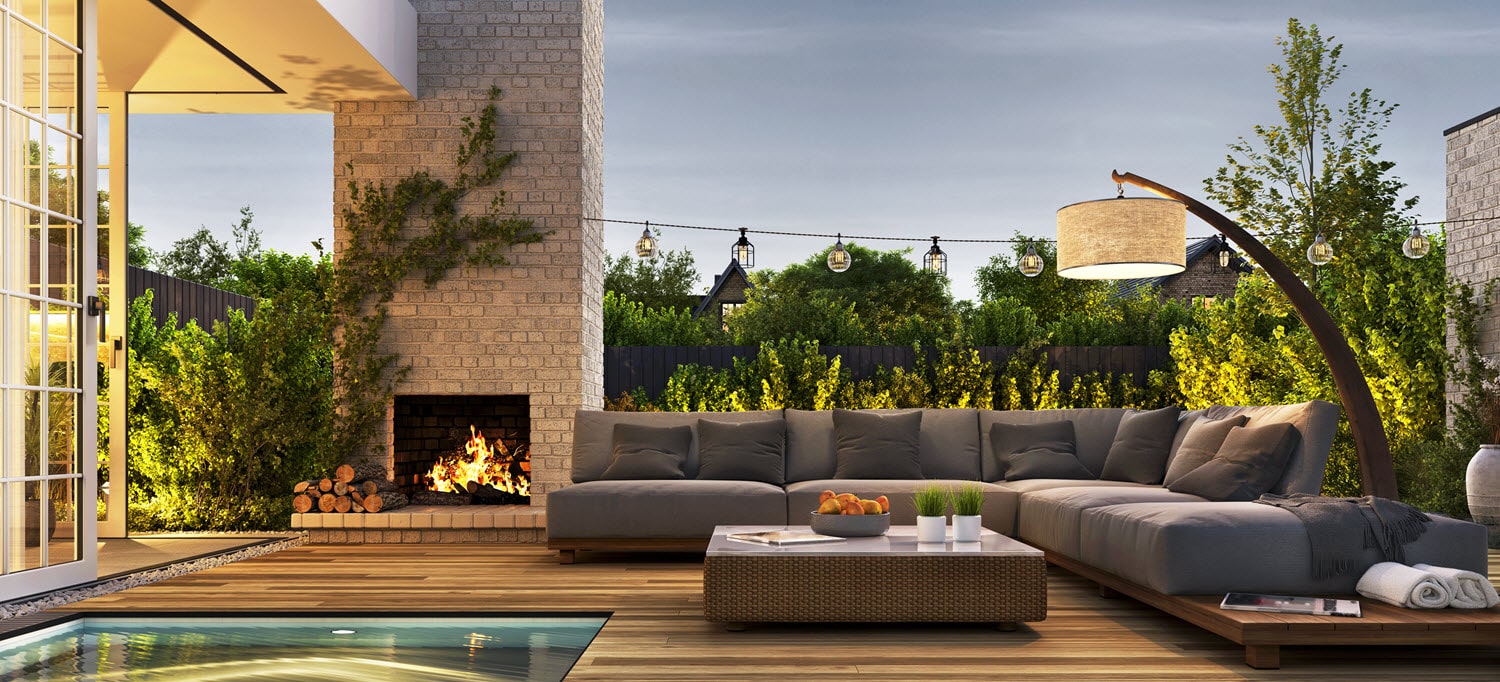
Transform your deck into a enchanting oasis with thoughtful lighting. String lights draped along railings or overhead beams create a cozy ambiance. Recessed deck lights offer a sleek, modern look while enhancing safety. Opt for eco-friendly solar-powered lights to save on energy bills. Lanterns and candles provide a warm, inviting glow for intimate evenings. Stair and step lights improve navigation and safety. Under-rail lighting adds a soft, sophisticated touch. For dramatic effects, use spotlights or floodlights. Pendant lights bring an elegant charm, and color-changing LEDs can set the mood for any occasion. Discover more enchanting lighting ideas to elevate your space.
String lights can transform your deck into a magical oasis with their soft, ambient glow. To maximize your outdoor space, contemplate strategic placement tips. Draping string lights along railings or overhead beams can create a cozy canopy, while wrapping them around posts adds a touch of elegance. For a whimsical look, zigzag the lights above your seating area.
When selecting string lights, opt for energy-efficient options like LED bulbs. They not only reduce your electricity bill but also last longer, making them a practical choice for your outdoor space. LED string lights are available in various color temperatures, allowing you to tailor the ambiance to your preference—warm white for a cozy feel or cooler tones for a modern touch.
Don’t forget to take into account the durability of your string lights. Choose weather-resistant models designed for outdoor use to withstand the elements. Secure your lights properly to avoid any potential hazards, and always use outdoor-rated extension cords and outlets.
With the right string lights and thoughtful placement, you can effortlessly elevate the ambiance of your deck, turning it into a delightful retreat.
Recessed deck lighting offers a sleek, unobtrusive way to illuminate your outdoor space while enhancing safety and ambiance. By installing recessed lights directly into your deck, you create a clean, modern look that won’t interfere with your décor or foot traffic.
For the best effect, consider placement tips like installing lights along the edges of steps and pathways to prevent tripping hazards and highlight architectural features.
To maximize both aesthetics and functionality, select energy-efficient options such as LED recessed lights. These not only reduce your energy consumption but also provide a long-lasting, low-maintenance solution. LED lights come in various color temperatures, allowing you to customize the ambiance to suit different occasions.
For a warm, inviting glow, choose softer, warmer hues, while cooler tones can create a more vibrant atmosphere.
Safety is key when planning your lighting layout. Make sure your recessed lights are spaced evenly and positioned to eliminate dark spots. This not only enhances visibility but also adds a layer of security to your deck area.
Properly installed recessed lighting can transform your outdoor space into a beautifully lit haven, perfect for both entertaining and relaxation.
Utilizing the power of the sun, solar-powered lights offer an eco-friendly and cost-effective way to illuminate your deck without the need for electrical wiring. By tapping into solar energy, you can install various types of deck lighting, such as string lights and lanterns, that not only enhance the beauty of your outdoor space but also promote energy efficiency. LED options are particularly advantageous, as they consume less power and provide longer-lasting illumination.
For a creative touch, consider integrating solar string lights along railings or overhead structures. These lights can create a whimsical ambiance perfect for evening gatherings. Additionally, solar-powered post cap lights can enhance safety by clearly defining the edges of your deck, preventing potential mishaps.
To elevate the aesthetic appeal, you might explore solar deck lights embedded in steps or along pathways. These energy-efficient options not only add a layer of safety but also contribute to a sophisticated look.
Lanterns and candlelight can transform your deck into an enchanting retreat, offering a warm and inviting glow perfect for cozy evenings. To achieve this magical ambiance, consider various types of lanterns. Metal, glass, and wooden lanterns each bring a unique aesthetic. Metal lanterns add a rustic feel, while glass ones create a sleek, modern look. Wooden lanterns provide a natural touch that blends seamlessly with outdoor elements.
For practicality, choose LED candles for inside your lanterns. They’re safe and long-lasting, providing a flickering effect that mimics real candles. Arrange lanterns of different heights and styles around seating areas, or hang them from hooks and pergolas to create layers of light.
For a more traditional approach, use real candles. Opt for citronella candles, which not only add to the ambiance but also help keep pests at bay. Place them in hurricane glass holders to protect the flame from wind.
Incorporate candlelight into table settings with candelabras or smaller votive candles. This adds a charming touch and ensures the light is evenly distributed.
To further enhance the safety and beauty of your deck, installing stair and step lights guarantees that every level and pathway is well-lit and inviting. These lights not only assure safe navigation after dark but also add an elegant touch to your outdoor space.
Here are three steps to contemplate when choosing and installing stair and step lights:
Post cap lights play a crucial role in both function and decoration, illuminating your deck’s perimeter while adding an elegant finishing touch to each post. These lights not only boost safety by highlighting the edges of your deck but also create a welcoming ambiance perfect for evening gatherings.
When selecting post cap lights, consider the material and finish that best complements your deck’s design. For a unified look, match the lights with your deck railings or furniture. Solar-powered options are eco-friendly and cost-effective, requiring no wiring and minimal maintenance. For a more powerful and consistent light, low-voltage electric lights are a reliable choice, though they do necessitate professional installation.
Placement is crucial. Install post cap lights on every corner and at regular intervals along the deck’s perimeter. This guarantees even illumination and a balanced aesthetic. Pay attention to the light’s brightness and color temperature; warm white lights often create a cozy and inviting atmosphere.
Incorporate dimmable options if you desire flexibility in your lighting levels. This allows you to adjust the ambiance based on the occasion, whether it’s a lively party or a quiet, intimate evening.
With thoughtful selection and strategic placement, post cap lights will transform your deck into a stunning nighttime retreat.
Under-rail lighting offers a sleek and unobtrusive way to illuminate your deck, enhancing both safety and ambiance. By installing LED strips or small fixtures beneath the rails, you can create a soft, inviting glow that outlines your deck’s perimeter. This subtle illumination not only highlights the architectural elements but also guarantees you and your guests can navigate the space safely after dark.
Here are three practical benefits of under-rail lighting:
To install under-rail lighting, you’ll need to plan the layout carefully, ensuring that the wiring is concealed and protected from the elements. This thoughtful addition can transform your deck into a more functional and visually pleasing area.
While under-rail lighting offers subtle elegance, spotlights and floodlights deliver powerful illumination that can highlight specific features or provide broad coverage for your deck.
Spotlights are perfect for accentuating key elements like trees, sculptures, or architectural details. Aim the beam to create dramatic effects, casting intriguing shadows that enhance your outdoor aesthetic. Opt for LED spotlights for energy efficiency and longevity, guaranteeing your deck remains well-lit for many evenings to come.
Floodlights, on the other hand, are ideal for general illumination. They provide a broad, even spread of light, making them perfect for larger gatherings or activities that require more visibility. Position them strategically to cover high-traffic areas such as seating arrangements, pathways, and staircases. This not only ensures safety but also creates a welcoming atmosphere for your guests.
For a cohesive look, choose fixtures that complement your deck’s design and materials. Weather-resistant finishes are essential to withstand the elements. Adjustable heads on both spotlights and floodlights allow you to customize the direction of the light, giving you control over your deck’s ambiance.
For a touch of elegance and ample illumination, contemplate adding pendant and hanging lights to your deck’s lighting scheme. These fixtures not not only elevate the aesthetic appeal but also provide functional lighting for your outdoor gatherings.
Here are three key aspects to ponder:
Consider enhancing your deck’s ambiance further with color-changing LEDs, which offer dynamic lighting options to suit any mood or occasion. These versatile lights can instantly transform your outdoor space from a tranquil retreat into a vibrant party zone. By opting for smart LEDs, you can control the color and intensity through an app, allowing you to customize the lighting to match your evening’s theme.
Install LED strips under railings or along stairs to create a subtle yet striking effect. You can also place them around the perimeter of your deck to define the space and make it feel more inviting. For those who love to entertain, sync the lights to music for an immersive experience that will delight your guests.
When installing color-changing LEDs, pay attention to waterproof ratings to guarantee they withstand outdoor conditions. Opt for high-quality brands that offer a wide color spectrum and reliable performance. Additionally, consider using dimmable options to adjust the brightness based on your needs.
Investing in color-changing LEDs not only elevates the aesthetic appeal of your deck but also adds a layer of functionality and fun, making your outdoor space a true extension of your home.
To maintain your deck lighting throughout the year, regularly clean the fixtures to remove dirt and debris. Check for any loose connections or damaged bulbs, replacing them as needed. Use weather-resistant materials and consider applying a protective sealant.
During winter, make sure snow and ice don’t accumulate on the lights. By performing these simple tasks, you’ll keep your deck lighting in top shape and enhance your outdoor ambiance.
For durable outdoor lighting fixtures, you should choose materials like stainless steel, brass, or powder-coated aluminum. These materials resist rust and corrosion, ensuring your lights withstand the elements year-round.
Opt for fixtures with UV-resistant finishes to prevent fading. Glass and polycarbonate lenses are also great for durability and clarity. Investing in high-quality materials will keep your outdoor space beautifully lit and functional for years.
Yes, you should take into account a few safety concerns with outdoor deck lighting. Validate that your fixtures are weatherproof to prevent electrical hazards.
Use low-voltage or solar-powered lights to minimize shock risks. Secure wiring to prevent tripping and inspect regularly for wear and tear.
Opt for LED bulbs as they stay cool and reduce fire risks. Addressing these concerns guarantees a safe and aesthetically pleasing outdoor space.
To create a cohesive lighting design for your entire outdoor space, start by mixing ambient, task, and accent lighting. Use matching fixtures to unify the look and consider the color temperature for consistency.
Layer your lighting to highlight features like pathways, seating areas, and plants. Smart lighting controls can help you manage intensity and timing, ensuring a harmonious and practical aesthetic throughout your outdoor area.
Understanding the energy consumption of various lighting options is essential for both aesthetics and practicality. LED lights, for example, use up to 80% less energy than traditional incandescent bulbs, making them an eco-friendly choice.
Solar-powered lights are another energy-efficient option, utilizing sunlight to illuminate your space without increasing your electricity bill. Consider these options not only to reduce energy costs but also to enhance the visual appeal of your outdoor area.
By thoughtfully incorporating these deck lighting ideas, you’ll transform your outdoor space into an inviting and visually stunning retreat. Whether you choose the charm of string lights, the practicality of stair lights, or the drama of spotlights, each option offers unique benefits.
Don’t hesitate to mix and match to suit your aesthetic and functional needs. With the right lighting choices, your deck will become a magical extension of your home, perfect for any occasion.
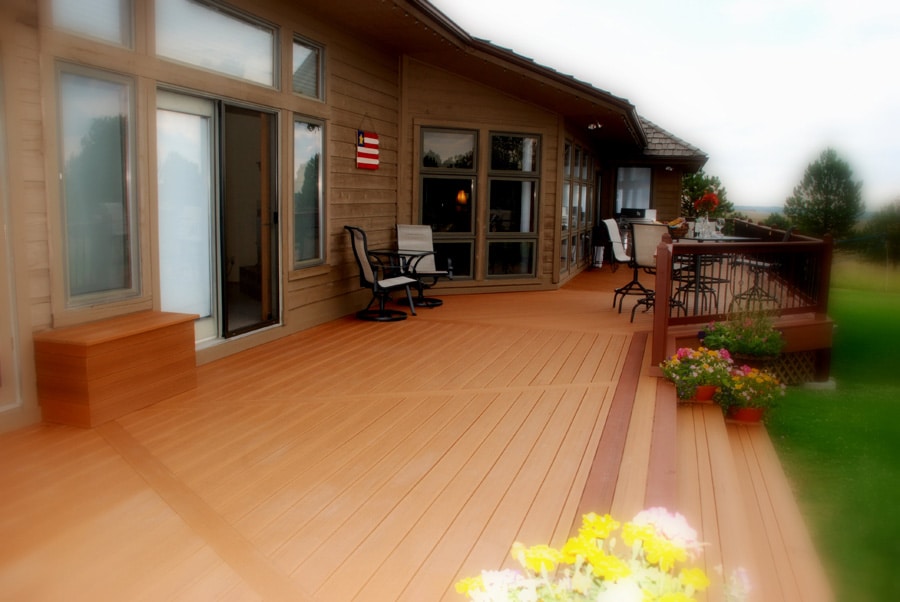
When deciding between composite and wood decking, consider their unique properties. Composite decking, made from wood fibers and plastic, resists rot, warping, and doesn’t require extensive maintenance—just periodic cleaning. However, it’s pricier upfront. Wood decking, crafted from natural timber, offers authentic beauty and a distinct aging character but needs regular staining and sealing. It’s more budget-friendly initially but has higher long-term maintenance costs. Composite materials guarantee durability and are ideal for harsh climates, while wood may splinter and sustain insect damage over time. Your choice hinges on your budget, maintenance willingness, and aesthetic preference. Learn how each decking type meets specific needs in your next project.
When comparing composite and wood decking, understanding the material composition is essential for making an informed decision. Composite decking is engineered from a blend of wood fibers and plastic, often recycled, offering notable durability and low maintenance. Unlike wood, composite doesn’t splinter, warp, or rot, reducing the need for frequent upkeep. You’ll find that periodic cleaning is generally sufficient, which can be a significant cost consideration over time.
On the other hand, wood decking is typically crafted from natural timber like cedar, redwood, or pressure-treated pine. While wood offers a classic, natural aesthetic that many homeowners find appealing, it requires regular maintenance including staining, sealing, and occasional replacement of damaged boards. This ongoing upkeep can add to long-term costs and labor.
Aesthetic differences also play an important role in your choice. Composite decking can mimic the appearance of wood but lacks the authentic feel and aging character that real wood provides. Additionally, the environmental impact of each material is worth considering. Composite decking often incorporates recycled materials, reducing waste. However, the production process involves synthetic elements.
Wood is biodegradable and renewable, but overharvesting can contribute to deforestation. Balancing these factors will help you choose the right material for your decking project.
Understanding the cost implications of composite versus wood decking is essential for making a financially sound decision for your outdoor space. When you choose between these materials, you must consider the upfront expenses as well as long-term financial commitment.
Composite decking typically carries a higher initial cost compared to wood decking, but it offers several financial advantages over time. First, composite decking requires less maintenance, which translates to reduced costs for staining, sealing, and repairs. This can save you a significant amount of money over the deck’s lifespan.
However, wood decking, despite its higher maintenance costs, can be more economical if your budget constraints are strict. It’s important to evaluate your financial situation and long-term plans. Choosing the right material will ensure your deck remains a cost-effective and enjoyable addition to your home.
While cost is a significant factor, the aesthetic appeal of composite versus wood decking plays a pivotal role in your decision-making process. Wood decking offers a natural, timeless beauty that’s hard to replicate. Its unique grain patterns and rich colors provide an organic charm that many homeowners find irresistible. You can choose from a variety of species like cedar, redwood, and tropical hardwoods, each with its own distinct appearance and texture.
On the other hand, composite decking has come a long way in mimicking the look of natural wood. Modern composites are available in a wide range of colors and finishes, some even incorporating realistic wood grain patterns. You won’t have to worry about staining or painting; composites maintain their appearance with minimal upkeep.
However, wood can weather over time, developing a silvery patina unless regularly treated, which some find appealing, but others see as a downside. Conversely, composite decking retains its look for years, resisting fading and staining.
Ultimately, your choice hinges on whether you prioritize the authentic, evolving beauty of wood or the consistent, low-maintenance allure of composite. Each material offers distinct visual benefits tailored to different preferences.
Composite decking generally outperforms wood when it comes to durability and lifespan, offering resistance to rot, warping, and insect damage. Unlike traditional wood, composite materials are engineered to endure adverse weather conditions without deteriorating. This makes composite decking an excellent long-term investment, especially in regions with harsh climates.
From a technical perspective, composite boards are designed with a high-density polyethylene (HDPE) or polyvinyl chloride (PVC) core, often reinforced with wood fibers. This composition provides several advantages:
In contrast, wood decking, while aesthetically pleasing, requires more vigilance to prevent damage from natural elements. Wood is susceptible to moisture, which can lead to warping, rot, and pest infestations. Over time, this can compromise the structural integrity of your deck, necessitating frequent repairs or replacements.
Ultimately, if you’re seeking a decking solution that offers superior durability and a longer lifespan, composite decking is the more practical choice.
Maintaining a wood deck requires regular sanding, staining, and sealing to protect against weather damage and decay. Without these routine tasks, your deck can quickly succumb to issues like rot, splintering, and mold growth. You’ll need to allocate time and resources annually or biannually, depending on your local climate conditions.
On the other hand, composite decking notably reduces your maintenance load. Made from a blend of wood fibers and plastic, composite boards are engineered to resist the elements. You won’t need to sand, stain, or seal them. Instead, periodic cleaning with soap and water is typically sufficient to keep them looking their best. Composite materials are also resistant to insect damage and don’t warp or splinter, which adds to their low-maintenance appeal.
However, ensuring that while composite decking is easier to maintain, it can still suffer from mold and mildew in shaded or damp areas. Regular cleaning and ensuring proper ventilation can mitigate these issues.
Thus, if ease of maintenance is a priority, composite decking might be the superior choice, offering durability with minimal upkeep compared to traditional wood decking.
In addition to maintenance considerations, you’ll also need to weigh the environmental impact of your decking choice. Composite decking is often touted as an eco-friendly option due to its use of recycled materials. However, it’s essential to take into account the full lifecycle of the product. Manufacturing composite decking involves energy-intensive processes and the use of non-renewable resources such as plastics.
On the other hand, wood decking, when sourced from sustainably managed forests, can be a more environmentally responsible option. Wood is a renewable resource and has a lower carbon footprint during production. However, the impact varies depending on the type of wood and whether it’s harvested responsibly.
Here are some environmental factors to take into consideration:
When installing decking, understanding the distinct requirements for both wood and composite materials guarantees a smoother and more efficient process.
Wood decking typically demands more meticulous preparation. You’ll need to make sure the wood is properly acclimated to the environment, which can take a few days. Cutting wood boards to precise lengths requires a good-quality saw, and pre-drilling is often necessary to prevent splitting, especially with hardwoods.
Composite decking, on the other hand, simplifies some aspects of installation. The boards come pre-finished and usually don’t need acclimation. You’ll find composite materials more uniform in size and shape, reducing the need for adjustments. Cutting composite boards is straightforward with standard carbide-tipped blades, but be cautious of potential dust and debris. Unlike wood, composites often utilize hidden fastener systems, which provide a clean surface without visible screws.
Regardless of the material, proper substructure is paramount. Make sure joists are appropriately spaced—16 inches on center for wood, and often 12 inches on center for composite to prevent sagging.
Ensuring the safety of your decking involves understanding the material-specific risks and implementing best practices to mitigate them effectively.
Composite decking, while generally low-maintenance, can become slippery when wet due to its smooth surface. You should consider textured finishes or anti-slip coatings to enhance traction.
Conversely, wood decking, especially when untreated, can splinter over time, posing a hazard to bare feet and hands. For both materials, proper installation is essential to avoid structural issues that can compromise safety. Make sure that your decking is securely fastened with appropriate hardware to prevent loosening or warping.
Inspect for any protruding nails or screws regularly, as these can be tripping hazards.
Consider these key safety tips:
Regularly exposed to the elements, both composite and wood decking materials must endure varying weather conditions that can greatly impact their longevity and performance. Composite decking, composed of wood fibers and plastic, offers superior resistance to moisture and UV rays. It won’t warp, crack, or splinter, even in extreme weather conditions. This makes it an excellent choice for areas with significant temperature fluctuations or high humidity. Composite materials are also resistant to mold and mildew, reducing maintenance efforts.
On the other hand, wood decking requires regular maintenance to withstand weather exposure. Natural wood, such as cedar or redwood, is inherently more resistant to weathering than pressure-treated pine, but even these premium woods need periodic sealing and staining to maintain their resilience. Over time, wood can succumb to rot, especially in damp environments, and may warp or splinter under prolonged exposure to sun or rain.
If you live in an area with harsh winters or hot summers, composite decking provides a more durable, weather-resistant option. However, if you prefer the aesthetic and feel of natural wood, be prepared for ongoing maintenance to keep your deck in top condition. Balancing durability and upkeep is vital in choosing the right decking material for your climate.
Market value is a critical consideration, as the choice between composite and wood decking can greatly influence your property’s resale price. Composite decking often commands a higher initial investment, but it can offer a more substantial return on investment (ROI) over time due to its durability and low maintenance. Potential buyers may be attracted to the idea of less upkeep, making your property more appealing.
Wood decking, on the other hand, has a lower upfront cost but requires regular maintenance, such as sealing and staining. While this can add character and charm, potential buyers may see it as a future expense.
Consider these factors when evaluating market value:
Yes, you can paint or stain composite decking, but it’s not always advisable. Composite materials are designed to be low-maintenance, and altering the surface can void warranties.
If you opt to paint or stain, make sure the decking is clean and dry. Use high-quality, exterior latex paint or a stain designed for composite materials.
Keep in mind, frequent maintenance may be necessary to keep the finish looking new.
When comparing the weight of composite decking to wood decking, you’ll find that composite decking is generally heavier. This increased weight is due to the combination of plastic and wood fibers in composite materials, which adds density.
While wood decking, particularly softwoods like pine or cedar, is lighter, it’s also less durable. You’ll need to make sure your deck’s substructure can support the additional weight of composite boards.
Yes, certain composite decking brands come highly recommended due to their durability and performance. Trex, for example, offers a range of high-quality, low-maintenance options with excellent warranties.
Fiberon and TimberTech also stand out, known for their innovative designs and strong environmental commitments.
When choosing, consider factors like UV resistance, slip resistance, and warranty terms to make sure you’re getting the best product for your needs.
Yes, composite decking does get hotter in the sun than wood. Composite materials, made from recycled plastic and wood fibers, tend to retain more heat. This can make the surface uncomfortable to walk on barefoot during hot days.
To mitigate this, choose lighter colors, which reflect more sunlight, or consider shaded areas. Additionally, some brands offer heat-resistant technologies for improved comfort. Always check product specifications for heat performance.
For composite decking, you’ll often find warranties ranging from 25 years to lifetime coverage, reflecting its durability and low maintenance. These warranties typically cover fading, staining, and structural integrity.
Wood decking, on the other hand, usually has shorter warranties, around 10-15 years, mainly focusing on material defects. However, wood requires more upkeep, and its warranty often doesn’t cover issues like rot or insect damage.
When choosing between composite and wood decking, consider your priorities. Composite offers low maintenance and high durability, ideal for long-term value. Wood, with its natural appeal, requires more upkeep but provides a classic aesthetic.
Assess your budget, installation skills, and environmental conditions. Ultimately, composite decking suits those seeking ease and longevity, while wood appeals to traditionalists valuing authenticity.
Make your decision based on which factors matter most to you.
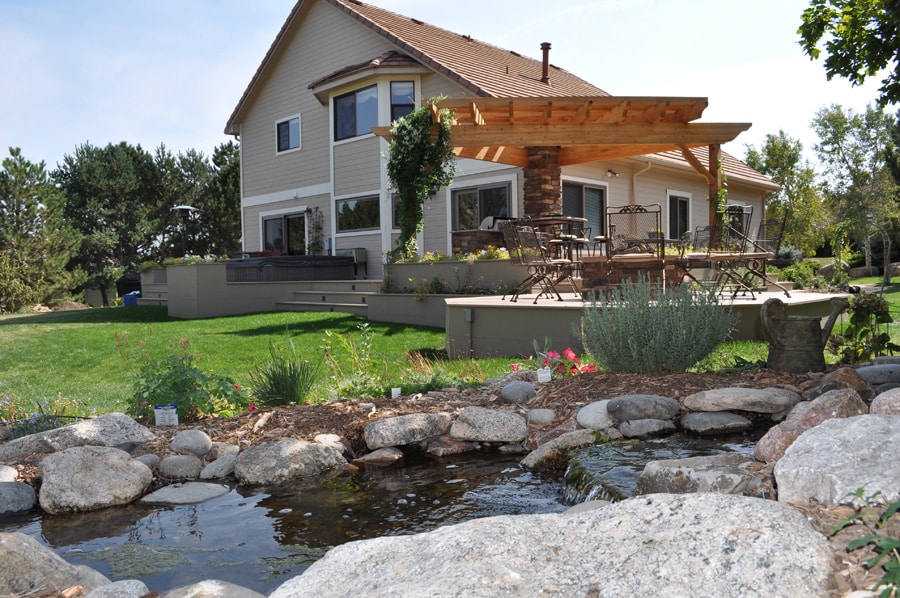
Transforming your backyard into a family-friendly outdoor living space involves strategic planning and thoughtful design. Define distinct zones for dining, playing, and relaxing. Opt for comfortable, weather-resistant furniture; incorporate slip-resistant seating and multi-use pieces. Add retractable awnings or pergolas for shade, and guarantee safety with sturdy railings. Create play areas visible from main seating zones, and choose slip-resistant flooring for comfort and safety. Enhance the space with lush greenery and ambient lighting to evoke a cozy atmosphere. Also, consider installing a fire pit for family gatherings. Exploring these ideas further will help you create the perfect outdoor retreat.
When planning your layout, prioritize defining distinct zones to guarantee your outdoor living space meets the diverse needs of every family member. Start by identifying key areas such as play areas for children, outdoor kitchens, and dining areas. This approach guarantees everyone has a designated spot tailored to their activities.
Safety features are vital, especially if you have young children. Incorporate sturdy railings around raised decks or steps to prevent accidents. These railings not only provide safety but can also enhance the aesthetic appeal of your space with various design options.
Think about versatility by opting for multi-use furniture. Pieces that can serve multiple functions, such as benches with storage or tables that can convert for different uses, will maximize your space’s functionality without compromising on style.
Creating dedicated play areas for children is essential. Consider soft ground surfaces, like rubber mulch or grass, to cushion falls and make the space safer. These zones should be clearly separated from the adult areas to maintain both safety and organization.
As you finalize your layout, choosing comfortable seating becomes essential to guarantee your outdoor living space is both inviting and functional. Start by considering the diverse needs of your family. Opt for multi-use furniture like storage benches and modular seating that can adapt to various activities. These options not only provide comfort but also offer practical storage solutions for outdoor essentials.
Make safety features a priority. Select seating with non-slip surfaces to prevent accidents, especially in areas prone to moisture. Incorporating these safety elements will help you create a secure environment for everyone, from toddlers to grandparents.
For outdoor kitchens and dining areas, consider seating that complements your setup and fosters family meals. Sturdy, weather-resistant materials like teak or metal can withstand the elements and provide lasting comfort. And don’t forget about lighting for evening use. Integrated lighting options can enhance visibility and add a cozy ambiance to your space, making it perfect for nighttime gatherings.
Here’s a quick checklist to guide you:
Enhance your family-friendly outdoor living space by incorporating versatile shade solutions that offer both comfort and style. Begin with a classic option like a retractable awning, which allows you to adjust the shade based on the time of day and weather conditions. It’s perfect for creating a flexible environment where your family can enjoy the outdoors without worrying about harsh sunlight.
Consider installing a pergola draped with weather-resistant fabric or climbing plants. This not only provides significant shade but also adds a touch of elegance to your space. The interplay of light and shadow beneath a pergola creates a soothing atmosphere, ideal for family gatherings or quiet afternoons.
For a more portable solution, invest in large, adjustable patio umbrellas. These can be easily moved to suit different seating areas, offering immediate relief from the sun. Look for umbrellas with a tilt feature to maximize coverage throughout the day.
Don’t overlook the potential of shade sails, which can be custom-designed to fit your space. They’re an excellent way to block UV rays while maintaining an open-air feel.
With these thoughtfully chosen shade solutions, you’ll create a comfortable, stylish retreat for your family to enjoy year-round.
Creating a dining area in your outdoor living space demands thoughtful planning to guarantee it serves as a functional and inviting hub for family meals and gatherings. Start by selecting durable, weather-resistant furniture that can withstand various elements. Opt for a table large enough to accommodate your family and guests comfortably, and choose chairs that offer both style and comfort.
Consider the layout and placement of your dining area. Ideally, it should be close to your kitchen or grilling station to make meal preparation and serving more convenient. Incorporate a shade solution, like an umbrella or pergola, to provide relief from the sun and create a more comfortable dining environment.
To enhance the aesthetic appeal and functionality of your dining space, include the following elements:
Incorporating a play zone in your outdoor living space guarantees that children have a dedicated area to explore, play, and spark their creativity. Start by identifying a spot that’s easily visible from your main seating area. This assures you can keep an eye on the kids while enjoying your own relaxation time. Define the boundaries of the play zone with natural elements like flower beds or low hedges to create a seamless blend with the rest of your outdoor design.
Choose equipment that caters to various age groups. A wooden swing set, climbing frames, or a sandbox can provide endless fun while blending aesthetically with the natural surroundings. Consider adding interactive features like a chalkboard wall or a sensory garden where children can engage with different textures, scents, and colors.
Don’t forget to incorporate storage solutions for toys and games. Sturdy, weather-resistant storage benches or bins help keep the area tidy and ensure that playthings are easily accessible.
To guarantee the play zone is both fun and safe, selecting the right flooring is paramount in creating a secure and comfortable environment for everyone. Opting for the appropriate materials can prevent injuries and enhance the overall aesthetic of your outdoor space. Start by contemplating surfaces that are slip-resistant, cushioned, and durable enough to withstand various weather conditions.
Here are four excellent options to ponder:
A well-designed fire pit can transform your outdoor space into a warm, inviting haven for family gatherings and cozy evenings. When planning your fire pit, consider its placement to guarantee safety and functionality. Choose a spot that’s away from low-hanging branches and flammable structures. Integrate natural stone or heat-resistant bricks to create a sturdy, attractive base.
Think about the shape and size that will best suit your space and needs. Circular designs offer a classic look and facilitate conversation, while rectangular pits can provide a modern aesthetic and fit neatly along patio edges. Make sure the fire pit’s height is comfortable for sitting around, typically 12 to 14 inches above ground level.
Incorporate seating that complements your fire pit’s style. Built-in stone benches offer durability and a cohesive look, while movable chairs provide flexibility. To enhance comfort, add weather-resistant cushions and throws.
For a touch of ambiance, consider integrating soft lighting. String lights or lanterns can create a magical atmosphere.
To wrap up, don’t forget safety measures: keep a fire extinguisher nearby and establish clear rules for children. A thoughtfully designed fire pit will become the heart of your outdoor living space, fostering memorable moments year-round.
Lush greenery can elevate your outdoor living space by adding vibrant colors, textures, and a sense of tranquility. Start by selecting a variety of plants that suit your climate and personal taste. Mixing different types of greenery, such as shrubs, flowering plants, and trees, will create a dynamic and inviting atmosphere.
Incorporate vertical elements like trellises or living walls to maximize space and add an extra dimension to your garden. Consider planting climbing plants like ivy or jasmine; they not only look beautiful but also provide additional privacy. Place potted plants strategically around seating areas to enhance the ambiance and make the space feel more intimate.
To make your family-friendly outdoor space even more engaging, consider these ideas:
Illuminating your outdoor living space effectively transforms it into a warm, inviting oasis, perfect for evening gatherings and family activities. Start by layering various types of lighting to create depth and ambiance.
String lights draped across a pergola or between trees add a magical touch, while lanterns placed strategically around seating areas provide a cozy glow. Pathway lights not only enhance safety but also guide guests through your garden, highlighting its beauty.
Consider incorporating solar-powered lights for an eco-friendly option. They’re easy to install and maintain, automatically charging during the day and shining at night. For a sophisticated look, use LED uplights to accentuate architectural features or your favorite trees. These lights create dramatic shadows and add dimension to your space.
Don’t forget task lighting for functional areas like dining tables or outdoor kitchens. Pendant lights or adjustable wall-mounted fixtures make sure you can see clearly while preparing and enjoying meals. Dimmer switches offer flexibility, allowing you to adjust the mood as the evening progresses.
To ensure your outdoor living space remains beautiful and functional through all seasons, selecting weatherproof materials is crucial. You’ll want to invest in items that can withstand the elements, ensuring your space remains inviting and durable.
Start by examining materials that resist moisture, UV rays, and temperature fluctuations. First, focus on your furniture. Opt for pieces made from teak, cedar, or synthetic wicker, as these materials are inherently resistant to rot and decay. For cushions and fabrics, choose weather-resistant textiles like solution-dyed acrylics, which won’t fade or mildew easily.
Next, think about the flooring. Materials like composite decking, natural stone, or treated wood are excellent choices. They not only offer durability but also contribute to the aesthetic appeal of your space.
Here are some key materials to explore:
To keep insects away, there are several effective methods you can use:
Plant citronella, lavender, and marigold around your space—they naturally repel bugs.
Use essential oil diffusers with eucalyptus or peppermint oils.
Install mesh screens or netting for physical barriers.
Remove standing water to prevent breeding.
Solar-powered bug zappers add an aesthetic touch while being effective.
Regularly clean and cover food to avoid attracting pests.
Enjoy a serene, bug-free environment.
You can transform your outdoor space with budget-friendly decor by incorporating string lights for ambiance and using DIY pallet furniture for seating. Add colorful cushions and throw pillows to create a cozy atmosphere.
Potted plants or hanging baskets can introduce greenery without breaking the bank. Repurpose old items like jars for candle holders or create a focal point with a painted mural or outdoor rug.
To incorporate pet-friendly features into your design, consider durable, non-toxic materials for flooring and furniture.
Create shaded areas with pergolas or umbrellas to keep your pets cool.
Add a designated play zone with pet-safe plants and soft ground cover.
Install secure fencing to guarantee their safety.
Don’t forget water stations for hydration and cozy outdoor beds for relaxation.
These thoughtful touches will enhance both aesthetics and functionality.
To winterize your outdoor area, follow these steps:
To maintain and clean outdoor furniture and decor, start by brushing off loose dirt. Use a gentle soap solution and a soft brush for thorough cleaning. Rinse with water and let everything air dry completely.
For metal pieces, apply a rust-resistant finish. Cushion covers can be machine-washed if the label permits.
Regularly inspect for wear and tear, addressing issues promptly to keep your outdoor space looking pristine and inviting.
You’ve now got all the elements to create a family-friendly outdoor living space that’s both functional and beautiful.
With thoughtful planning, comfortable seating, and ample shade, your backyard will be an inviting retreat.
Add a dining area, play zone, and cozy fire pits to make sure everyone has a place to enjoy.
Enhance the ambiance with greenery and proper lighting, and use weatherproof materials to keep everything looking great.
Your dream outdoor oasis is just a few steps away!
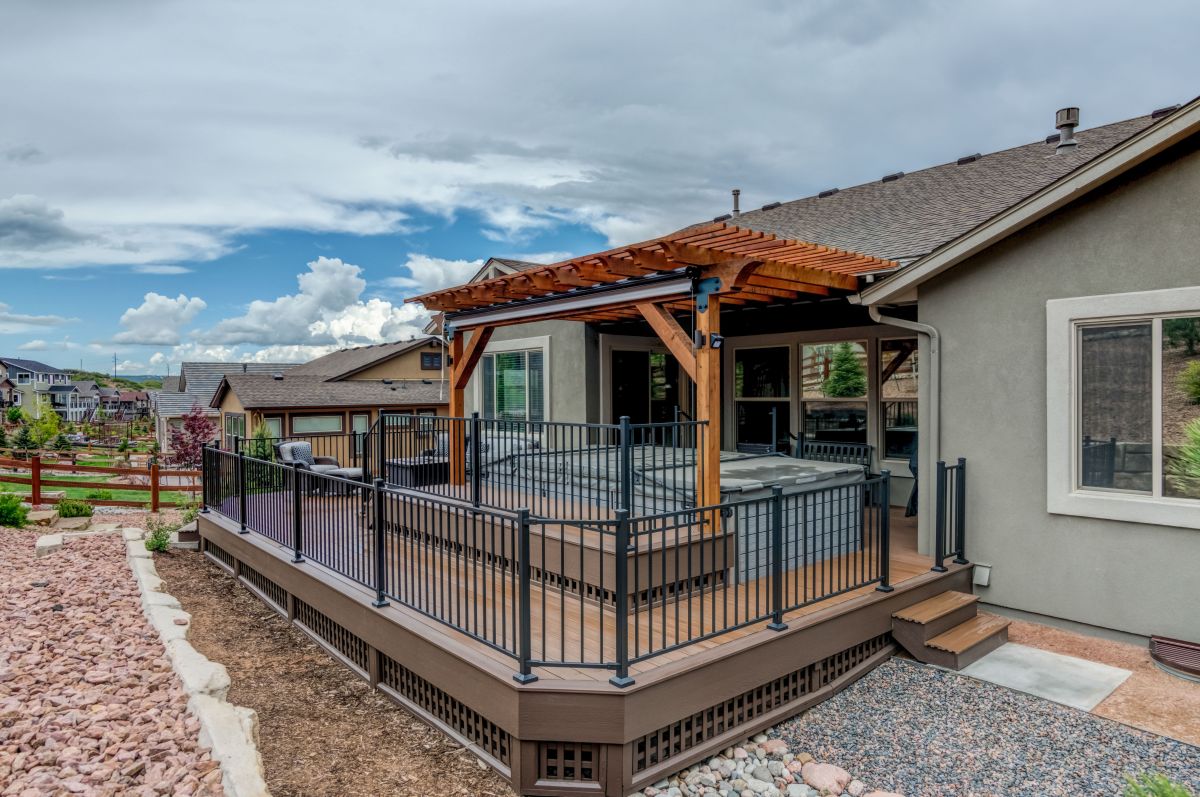
Choosing the right deck size and height for your home involves several key factors. Measure your available space and consider obstacles like trees and property lines. For larger yards, go expansive; smaller yards require more compact designs. Match your deck scale to around 20-30% of your home’s square footage. Think about the deck’s function—whether it’s for entertaining or a private retreat. Make sure you’ve considered local building codes and safety requirements for railings and stairs. Plan for effective traffic flow and accessibility. Evaluate sunlight exposure and views to optimize comfort. With these strategies, you’ll transform your deck into a perfect extension of your home.
Begin by measuring the available area where you plan to build your deck, making sure you account for obstacles like trees, property lines, and existing structures. Your yard size will greatly influence your deck dimensions. A larger yard allows for a more expansive deck, whereas a smaller yard requires a compact design.
Consider the intended use of your deck. Will it be for entertaining large groups, or a private retreat for two? This will help determine the necessary size.
Next, establish your budget. Costs can escalate quickly, especially with larger decks or premium materials. Be realistic about what you can afford, and prioritize features that align with your primary use. Don’t forget to factor in maintenance costs over time.
When considering deck height, weigh the pros and cons. Elevated decks can offer better views and increased airflow but may require more structural support and safety features like railings, impacting your budget. Ground-level decks are generally more affordable and easier to build but mightn’t provide the same aesthetic appeal or functionality.
Now that you’ve assessed your space and budget, it’s time to understand the various functions your deck can serve to maximize its utility.
First, think about entertainment. A deck can be an outdoor living room, perfect for hosting gatherings. Incorporate seating areas, perhaps a dining table, and even an outdoor kitchen setup. If you love grilling, make sure there’s a designated spot that’s both convenient and safe.
Next, consider relaxation. A deck can be your personal retreat. Add comfortable lounge chairs, hammocks, or even a hot tub. Elements like these can transform your space into a serene escape.
Additionally, decks can serve as an extension of your garden. Integrate planters, vertical gardens, or space for potted plants to blend the deck seamlessly with your yard. This can create a beautiful shift between indoor and outdoor areas.
Don’t forget about functionality. Your deck might need storage solutions for outdoor equipment or seasonal furniture. Built-in benches with storage underneath or discreet storage boxes can maintain a clean, organized appearance.
Before you start building, it’s crucial to familiarize yourself with local building codes to guarantee your deck meets all safety and legal requirements. These codes are designed to confirm structural integrity and safety, preventing potential hazards. Ignoring them can result in fines, delays, or even having to tear down your deck.
Here are four critical aspects you should check in your local building codes:
Guaranteeing your deck is proportionate to your home not only enhances visual harmony but also maximizes functionality and space utilization. When planning your deck, start by evaluating the size of your home’s exterior walls. A small home with a large deck can appear unbalanced, while an oversized house with a tiny deck may seem underwhelming. Aim for a deck that complements the architectural scale of your home.
The rule of thumb is to keep the deck’s footprint between 20% and 30% of your home’s total square footage. This ratio ensures the deck doesn’t overwhelm the structure but provides ample space for outdoor activities. Consider the height as well. A deck that’s too high or too low can disrupt the visual flow. Ideally, the deck should align with the indoor floor level for smooth transitions.
Materials and design elements should also match your home’s aesthetics. For example, a modern home may benefit from sleek, minimalistic deck features, while a rustic cabin might look best with natural wood finishes. Accurate measurements and thoughtful design choices will create a cohesive look, making your deck an extension of your living space.
When designing your deck, prioritize traffic flow to guarantee smooth movement and accessibility for all users. Proper traffic flow guarantees that everyone can move comfortably and safely, whether you’re hosting a large gathering or enjoying a quiet evening outside.
Pathways: Establish clear pathways that guide movement from one area to another. Make sure these paths are at least 3 feet wide to accommodate easy passage and avoid congestion.
Entrances and exits: Position entrances and exits logically. Place them near frequently used indoor spaces like the kitchen or living room, and ensure they’re unobstructed to maintain a natural flow of movement.
Zoning: Designate specific zones for different activities, such as dining, lounging, and cooking. This helps prevent bottlenecks and keeps traffic moving smoothly. Make sure each zone has ample space around it for easy access.
Stairways and ramps: If your deck includes stairways or ramps, make sure they’re strategically placed and wide enough to handle foot traffic comfortably. A minimum width of 4 feet is ideal for stairways, while ramps should have gentle slopes to accommodate all users.
Selecting the right furniture and fixtures for your deck not only enhances its functionality but also complements the carefully planned traffic flow, guaranteeing a harmonious and efficient outdoor space.
Start by choosing furniture that fits the scale of your deck; oversized pieces can obstruct movement, while too-small items can make the space look sparse. Opt for modular furniture if you anticipate varying usage scenarios; it allows for flexible arrangements to accommodate different activities.
Focus on materials that withstand the elements. Teak, metal, and resin wicker are excellent choices for durability and low maintenance. Make sure that any cushions or fabrics are weather-resistant to extend their lifespan and reduce upkeep.
Lighting is another critical aspect. Incorporate a mix of ambient, task, and accent lighting to create a layered effect. For example, string lights or lanterns can provide a warm, inviting glow, while spotlights can highlight architectural features or plants.
Don’t forget about fixtures like grills, fire pits, or heaters if you plan to use your deck year-round. These elements not only add functionality but also enhance the overall experience, making your deck a versatile and comfortable extension of your home.
Your deck’s privacy elements are essential for creating a secluded and comfortable outdoor retreat. When planning your deck, consider how you can shield your space from prying eyes and unwanted noise. Prioritize privacy to enhance your relaxation and enjoyment.
While prioritizing privacy, you’ll also need to contemplate how your deck’s placement and design will affect your views and access to sunlight. Start by evaluating the cardinal directions. A south-facing deck will get sun most of the day, making it important if you love sunbathing or growing sun-loving plants. Conversely, a north-facing deck will receive minimal direct sunlight, which might be preferable in hotter climates.
Consider the height of the deck as well. Elevated decks often offer better views, but they can also cast shadows on your living spaces. If an essential view is critical, make sure your deck is high enough to clear any obstacles like fences or neighboring structures. However, be mindful that higher decks may expose you to more wind and reduce your privacy.
Integrate strategic shading solutions such as pergolas, retractable awnings, or strategically placed trees to balance sunlight exposure. These options provide flexibility, allowing you to enjoy the sun when desired and take cover when it’s too intense.
Also, think about the materials used; lighter-colored decking can reflect heat, keeping the surface cooler during sunny days.
Maintaining your deck is both safe and accessible is crucial, requiring careful consideration of railings, stairs, and surface materials. You’ll need to prioritize these elements to create a secure and user-friendly outdoor space.
First, install railings that are sturdy and meet local building codes. They should be at least 36 inches high for residential decks. Make sure the balusters are spaced less than 4 inches apart to prevent accidents.
Second, design stairs that are easy to navigate. Each step should have a consistent rise and run, typically around 7 inches high and 11 inches deep. Include handrails on both sides for added safety.
Third, choose non-slip surface materials. Composite decking, textured finishes, or anti-slip coatings can greatly reduce the risk of slipping, especially in wet conditions.
Fourth, ensure adequate lighting. Proper illumination is essential for evening use and can prevent trips and falls. Solar-powered lights or LED fixtures are both energy-efficient options.
In summary, to enhance the safety and accessibility of your deck:
Planning for future expansion of your deck guarantees you can adapt the space to evolving needs without extensive modifications. Start by considering the structural integrity of your initial deck. Use robust materials and add extra support beams to accommodate potential extensions. This foresight assures your deck can bear additional weight without compromising safety.
Also, map out future utilities like electrical outlets or gas lines for outdoor kitchens or lighting. Installing conduit pipes during the initial build allows easy access later, saving you from disruptive renovations.
Think about the layout and flow of your expanded deck. Situate your original deck in a way that leaves room for seamless additions. For example, if you plan to add a hot tub or a gazebo, make sure there’s ample space and the current design won’t obstruct these future amenities.
Don’t forget to check local building codes and HOA regulations. Some areas have restrictions on deck size, height, and proximity to property lines, which could limit expansion options. Consulting with a professional can provide valuable insights and help you draft a flexible, long-term plan.
To choose the best decking material for your climate, consider local weather patterns. In humid or rainy areas, opt for composite or PVC decking to prevent rot and mold.
For regions with intense sun, UV-resistant materials like tropical hardwoods or treated lumber are ideal.
Cold climates benefit from durable, moisture-resistant options like pressure-treated wood or composite decking.
Always check for material-specific maintenance requirements and warranties.
For wood decks, you’ll need to seal and stain them annually to prevent rot and insect damage.
Composite decks require less maintenance but should be cleaned periodically with soap and water.
Vinyl decks are low-maintenance but may need occasional power washing.
Always inspect for loose screws or boards and address any issues promptly to guarantee safety and longevity.
Proper care guarantees your deck stays in top shape.
Yes, you can add a roof or pergola to your deck, but you need to make sure the deck’s structure can support the additional load. Check local building codes and obtain necessary permits.
It’s important to use weather-resistant materials and proper flashing to prevent water damage. Consult a structural engineer or experienced contractor to assess load-bearing capacities and design considerations before starting your project.
To guarantee your deck is pest-resistant, follow these steps:
These measures will enhance the longevity of your deck and help keep your outdoor space pest-free.
When considering deck costs, size and height play essential roles. Larger decks naturally require more materials and labor, increasing expenses. Elevated decks might need additional support structures, raising costs further.
Conversely, smaller or ground-level decks are often less expensive. Material choice—wood, composite, or PVC—also impacts the budget. Always compare quotes from multiple contractors to make sure you’re getting the best value for your specific requirements.
Choosing the right deck size and height is essential for a functional and aesthetically pleasing outdoor space. Assess your available area, understand the deck’s purpose, and comply with local building codes.
Make sure the deck is proportionate to your home, facilitates traffic flow, and offers privacy. Consider views, sunlight, safety, and accessibility. Plan for future expansion.
With these factors in mind, you’ll craft a deck that enhances your home’s value and your outdoor living experience.
Are you considering adding a deck to your home? It’s an excellent investment that can enhance your outdoor living space and the value of your property. But before you dive into deck construction, you’re probably wondering: how long does it take to build a deck?
The timeline for deck building can vary depending on several factors. These include design complexity, local regulations, and the availability of materials and contractors. This article will explore the various steps in building a deck and the factors affecting the overall timeframe. By the end, you’ll understand what to expect and how to plan your deck construction project.
When building a deck, several factors can influence the time it takes to complete the project. Understanding these factors is essential for effective planning and managing expectations. Let’s explore some key elements that can impact the timeline:
Considering these factors, you can better estimate the time it will take to build your deck. Every project is unique, and unexpected challenges or circumstances may arise that can influence the timeline. It’s essential to work closely with your contractor and maintain open communication throughout the construction process to ensure a smooth and timely completion.
A deck involves crucial steps to ensure a successful and well-constructed outdoor space. Understanding the process will help you navigate through the various stages of deck construction, from initial planning to the final inspection.
One of the first steps in building a deck is to find and hire reputable deck builders with the expertise and experience to bring your vision to life. Take the time to research and interview potential builders, checking their portfolios, customer reviews, and references. Once you’ve selected a contractor, finalize the contract and establish clear communication channels for a smooth collaboration.
If you live in a community governed by a Homeowners Association (HOA), it is crucial to obtain their approval before proceeding with deck construction. Review the HOA guidelines and submit the necessary paperwork, including your deck plans and supporting documentation. HOA approval timelines can vary, so starting the approval process well in advance is advisable.
Before applying for a building permit, you’ll need detailed construction drawings that accurately depict the design and dimensions of your deck. These drawings provide the necessary information for the building department to evaluate your project. Hiring a professional architect or designer to create the required drawings is wise, ensuring compliance with local building codes and regulations.
Once you have your construction drawings, you must apply for a building permit from your local building department. This process involves submitting your construction plans, paying applicable fees, and providing additional documentation. The permit ensures your deck meets safety standards and adheres to local construction codes.
Before starting excavation work for your deck, it is crucial to conduct utility line checks to prevent accidents or damage. Contact the local “Call Before You Dig” service and schedule them to mark the underground utility lines on your property. This step ensures that you can proceed with construction safely and without disruptions or mishaps.
With the necessary approvals and permits in place, you can now commence the construction phase of your deck. Following the plans and specifications outlined in your approved construction drawings is essential to properly install footings, beams, joists, and decking materials. The building department will conduct inspections throughout construction to ensure compliance with building codes and regulations. These inspections usually involve a framing and final inspection before your deck is deemed safe.
Following these steps, you can navigate the deck-building process efficiently and ensure that your deck meets all safety and regulatory requirements. Working with experienced professionals, obtaining the necessary approvals, and adhering to the construction timeline will result in a beautiful and functional outdoor space you can enjoy for years.
The timeline for hiring a contractor for your deck project can vary depending on several factors. Availability, project complexity, and the design and scope of work required all play a role in determining how long it will take to find the right contractor and finalize the details of your project.
Finding deck builders and narrowing down your options typically takes a few days. This involves researching local contractors, checking their portfolios, and reading client reviews to ensure they have the necessary expertise and experience.
Once you have a shortlist of potential contractors, you’ll need to contact them for consultations. Depending on their availability and your schedule, meeting with each contractor may take a few days to a week. During these consultations, you can discuss your project’s design, materials, and overall scope of work.
After the consultations, you’ll need some time to review and compare the proposals received from each contractor. This step lets you consider the services offered, pricing, and timelines carefully. Depending on the number of proposals and the complexity of your project, this review process can take a few days.
Once you’ve chosen a contractor, the next step is negotiating and finalizing the contract. This process involves discussing the terms, pricing, and additional details or specifications. Agreeing on all aspects of the contract may take a few days to a week, depending on the complexity of your project and any necessary revisions.
Overall, the timeline for hiring a contractor for your deck project can range from a few days to a week or two, depending on the availability of contractors, the complexity of your design, and the scope of work. It’s essential to be patient and thorough during this process to ensure you find a qualified contractor who understands your vision and can bring it to life.
If you live in a homeowners association (HOA) or condo association (COA) community, you will likely need to obtain approval from the HOA before you can begin building your deck. The HOA approval process ensures the deck construction complies with the association’s rules and regulations.
The timeline for obtaining HOA approval can vary depending on various factors, such as the complexity of your project, verification of contractor insurance and licensing, and any local restrictions the association imposes. Typically, it can take up to 30 days for the HOA to review and provide their approval.
Several factors can impact the timeline for obtaining HOA approval:
Familiarize yourself with the HOA’s requirements and guidelines for deck construction to streamline the approval process. By providing all necessary documentation and ensuring that your project aligns with the association’s regulations, you can help expedite the HOA approval timeline.
Once you receive HOA approval, you can proceed with the next steps in your deck construction journey, such as obtaining permits from the local authorities and hiring a contractor to bring your vision to life.
Now that you have obtained approval from the Homeowners Association (HOA), applying for a building permit is the next crucial step in the deck-building process. This involves submitting your construction drawings and other necessary documentation to the local building department for review and approval.
The timeline for getting a building permit approved can vary depending on various factors. On average, it usually takes about 1 to 2 weeks to receive approval for your building permit. However, it’s important to note that in some cases, the approval process can take longer, up to 6 weeks or more. This extended timeline is usually due to the workload of the local building department and other factors that may affect their processing times.
If you’re planning to build a new construction home and are still finalizing the property ownership, waiting until you officially own the property before applying for permits is essential. The building department typically requires proof of property ownership as part of the permit application process.
During the review process, the building department will thoroughly examine your construction drawings to ensure compliance with local construction codes, zoning regulations, and any new construction limitations applicable to your area. They will also check if your proposed deck meets safety and structural requirements.
To expedite the permit approval timeline, it’s essential to carefully and accurately prepare your construction drawings and provide all the required information. This will help minimize any potential delays caused by additional review cycles or requests for further clarification.
Once your building permit is approved, you will receive an official document permitting you to proceed with the deck construction. This permit should be displayed at the construction site and be readily available for any inspections that may be required throughout the building process.
While the timeline for obtaining a building permit may vary, proper preparation, timely submission of construction documents, and compliance with regulations can help ensure a smoother and more efficient permit approval process.
Before you start excavating for your new deck, it’s crucial to prioritize safety by conducting utility line checks. This step ensures you do not accidentally damage utility lines during construction. To do this, contact your local “Call Before You Dig” service to have the location of the utility lines marked. This simple precaution can help prevent accidents and disruptions to utility services.
The building department must inspect the deck construction process during the framing and final inspections to ensure compliance with safety regulations.
The framing inspection evaluates the structural integrity of the deck’s framework, including beams, joists, and supports. It ensures the deck is built according to the approved plans and meets safety standards.
The final inspection is conducted once the deck construction is complete. It reviews the overall construction quality and verifies that all safety measures and code requirements have been met. Passing this inspection is necessary to obtain the final approval for your deck.
The timeline for inspection scheduling can vary, depending on the availability and workload of the building department. It is advisable to contact your local building department as early as possible to schedule the inspections and avoid any potential delays in completing your deck construction.
The construction timeframe for a deck can vary depending on several factors. On average, a new deck can be built within 1.5 to 2 weeks. However, it’s important to note that this timeframe is not set in stone and can be influenced by various elements.
The size and design of your deck play a significant role in determining the construction timeline. Small decks with simple designs can be completed more quickly, while larger decks with complex designs and additional features may take longer to build.
The choice of materials and any upgrades or customizations you opt for can also impact the timeline. Some materials may take longer to source or require additional installation time. Similarly, including upgrades like built-in seating, lighting, or pergolas can extend the construction timeframe.
Here is a breakdown of the average construction time based on different deck sizes:
Remember that these estimates are general guidelines, and your specific project may have unique circumstances that can influence the construction timeline. It’s always a good idea to consult your contractor for a more accurate estimate based on your deck’s design, size, materials, and any desired upgrades or customizations.
When building a deck, it’s essential to be aware of potential delays that may arise throughout the construction process. Various factors can cause these delays and impact your project’s overall timeline. Understanding these potential delays and planning accordingly can help ensure a smooth and efficient deck-building experience.
If you live in a community with a Homeowners Association (HOA), obtaining their approval is essential before starting your deck construction. However, HOA approval processes can sometimes be time-consuming, resulting in delays. It is necessary to factor in the time it takes for the HOA to review and approve your deck plans when planning your project.
Another potential delay in the deck-building process is scheduling inspections. Inspections are crucial for ensuring the safety and compliance of your deck. However, depending on the availability of inspectors and the workload of the building department, scheduling inspections can take longer than anticipated. It’s essential to consider this when setting expectations for your project timeline.
Applying for and obtaining the necessary permits for your deck construction is an important step. However, the process can sometimes be delayed. Factors such as the workload of the local building department and any additional requirements or documentation needed can impact the timeline for permit issuance.
Weather conditions can also significantly affect the timeline of your deck’s construction. Inclement weather, like rain or extreme temperatures, may prevent or delay construction. It’s essential to monitor the weather forecast and plan your deck construction accordingly, considering potential weather-related delays.
If you are building a deck on a newly constructed property, there may be delays until the property ownership is officially finalized. Coordinating with the builder and ensuring all necessary paperwork and legalities are in place before proceeding with your deck construction is essential.
Construction delays can occur due to various factors, such as material availability, contractor scheduling conflicts, or unforeseen challenges during the construction process. While some delays are unavoidable, proper planning, clear communication with your contractor, and regular updates can help minimize them.
By considering these potential delays and considering them during the planning stages of your deck construction project, you can set realistic expectations and ensure a smoother and more efficient building process.
Building a deck is an exciting project that requires careful planning and consideration. The timeline for deck construction can vary depending on several factors. On average, completing a deck typically takes about one to three weeks. However, it’s essential to remember that various elements, such as planning, hiring a contractor, obtaining permits and approvals, conducting inspections, and potential delays, can affect the overall timeline.
When embarking on a deck construction journey, it’s crucial to prioritize thorough planning. This includes choosing the right contractor and working closely with them to define the project scope and timeline. Additionally, obtaining the necessary permits and approvals, such as HOA and building permits, is vital to avoid potential setbacks and ensure compliance with local regulations.
Inspections are crucial in maintaining quality and safety throughout the construction process. It’s essential to schedule and comply with these inspections promptly. Unexpected delays can occur due to weather conditions or project complexity, so it’s necessary to account for these potential setbacks and plan accordingly.
The construction of a deck, patio, or porch usually takes between one and three weeks, depending on the size and materials used.
Designing and building a roof deck can take anywhere from three weeks to several months, depending on the complexity and required permits.
The foundation required for a deck depends on the terrain and soil type of your yard but typically involves concrete footings or piers at a depth below the frost line.
Building a deck with a roof can take from 4 to 8 weeks, depending on the design’s complexity and weather conditions.
A deck contractor can typically build a screened porch in 2 to 4 weeks, depending on the design and materials.
Pressure-treated wood is commonly used for deck building due to its durability and resistance to rot and pests. Cedar and redwood are also popular for their natural resistance qualities.
The annual cost to maintain a wooden deck is usually between $300 and $700, which includes cleaning, staining, and repairing.
Building a composite deck typically costs between $20 and $50 per square foot, depending on the brand and quality of the materials.
A Trex deck, known for its durability and minimal maintenance, typically lasts 25 to 30 years with proper care.